

The Inevitable Shift: Why High Bandwidth Memory (HBM) is Poised to Redefine PC RAM Architectures
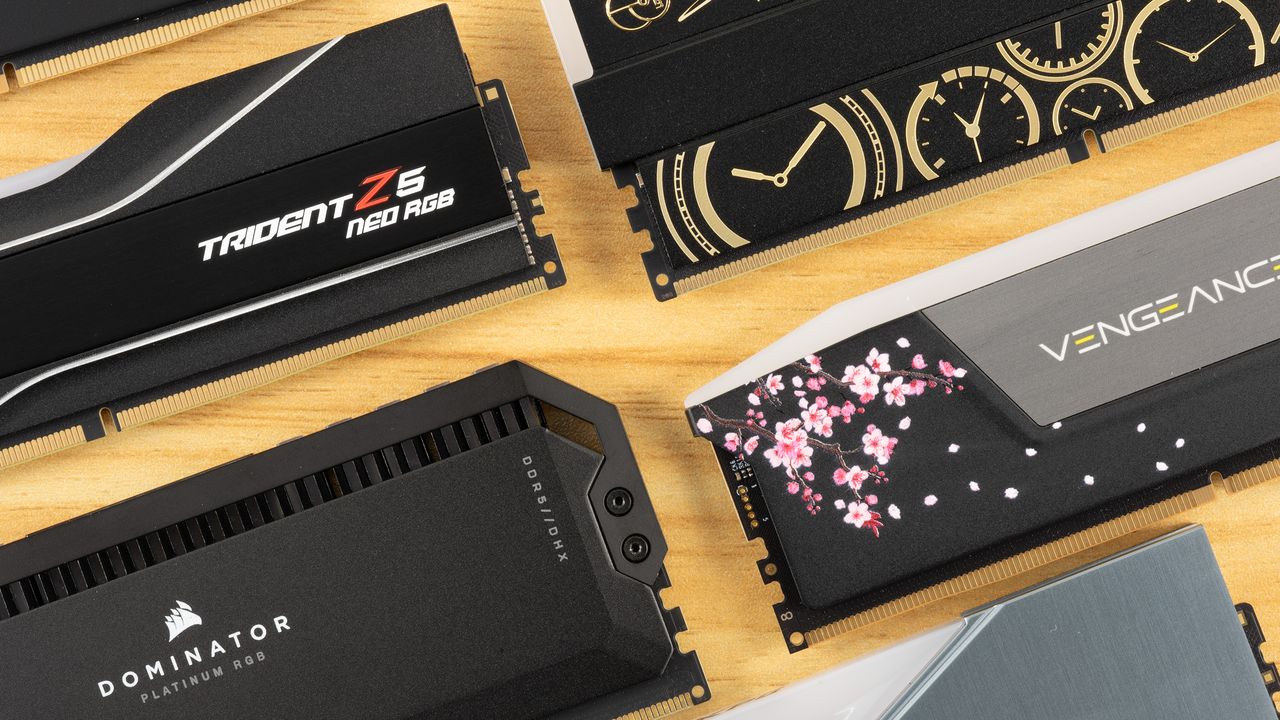
The landscape of computing memory is on the cusp of a significant transformation, driven primarily by the insatiable demands of artificial intelligence workloads. High Bandwidth Memory (HBM), once predominantly confined to high-performance computing (HPC) and specialized graphics processing units (GPUs), is now emerging as a critical contender for mainstream personal computer (PC) Random Access Memory (RAM). This article delves into the architectural implications and performance considerations of HBM's potential integration into PC systems, contrasting its characteristics with the prevailing DDR5 standard and exploring the forces propelling this paradigm shift.
The Developer's Perspective
From a software architect's vantage point, the transition to HBM in PC environments presents both profound opportunities and intricate challenges. The fundamental allure of HBM lies in its unparalleled bandwidth and power efficiency, achieved through a stacked die architecture that places memory closer to the processing unit. This proximity drastically reduces signal path lengths, minimizing latency and maximizing data throughput, which is crucial for data-intensive applications.
- Underlying Technology: HBM utilizes a 3D stacking methodology, where multiple DRAM dies are vertically interconnected using Through-Silicon Vias (TSVs). This contrasts sharply with traditional planar DDR designs.
- Embedded Systems & APIs: The integration of HBM into PC platforms will necessitate adaptations in memory controllers and potentially new API extensions to fully leverage its capabilities. Developers will need to optimize algorithms and data structures to exploit the higher bandwidth, particularly in areas like machine learning frameworks and real-time data processing.
- Latency Considerations: While HBM offers superior bandwidth, its latency characteristics can be different from DDR5, depending on the specific implementation and access patterns. Architects must consider these nuances when designing memory-bound applications.
- Hardware/Software Integration: The shift implies a tighter coupling between the CPU/GPU and memory, moving away from the traditional discrete DIMM modules. This could lead to more integrated system-on-chip (SoC) designs or specialized motherboard layouts, impacting upgradeability and system design flexibility.
Architecture & Implementation Details
The architectural divergence between HBM and DDR5 is substantial, with direct implications for system design and manufacturing. HBM's stacked nature and wide interface are key differentiators, enabling a level of performance that traditional memory technologies struggle to match.
- Stacked Die Architecture: HBM memory modules are composed of multiple DRAM dies stacked vertically on a base logic die. This stack is then typically placed on an interposer alongside the main processor (e.g., CPU or GPU), facilitating extremely wide and high-speed data paths.
- Bandwidth vs. Capacity: While HBM excels in bandwidth, its current implementations often prioritize bandwidth density over raw capacity per module compared to DDR5. The source highlights a critical aspect: HBM consumes "around three times the wafer capacity of DDR5 per gigabyte". This increased wafer consumption per gigabyte suggests a higher manufacturing cost and potentially lower system memory capacity if HBM were to entirely replace DDR5 in a cost-constrained PC.
- Advanced Packaging: The adoption of HBM is intrinsically linked to advancements in packaging technologies, such as 2.5D and 3D integration. These techniques are essential for connecting the HBM stack to the processor with the necessary high-density interconnects. The demand for advanced packaging is being "supercharged" by AI workloads.
- Memory Controller Design: Integrating HBM into a PC architecture requires sophisticated on-die memory controllers capable of managing the complex HBM interface and its unique access patterns. This is a significant departure from the memory controllers designed for DDR5 DIMMs.
Performance Analysis & Community Reception
The performance implications of HBM in a PC context are profound, particularly for workloads that are heavily memory-bound. Applications such as scientific simulations, professional content creation (video editing, 3D rendering), and, most notably, artificial intelligence and machine learning tasks stand to benefit immensely from HBM's superior bandwidth. The ability to move vast amounts of data quickly between the processor and memory can significantly reduce bottlenecks, leading to faster execution times and improved system responsiveness.
For gaming, while HBM has been a staple in high-end GPUs for years, its direct integration as system RAM could unlock new levels of detail and complexity in game worlds, allowing for larger textures, more intricate physics simulations, and faster asset loading. However, the cost-to-performance ratio for mainstream gaming PCs would need careful consideration, given HBM's higher manufacturing complexity and wafer consumption. The community's reception will likely hinge on the tangible benefits observed in real-world applications versus the potential increase in system cost. Early adopters and professional users are expected to embrace HBM for its performance advantages, while the broader PC market may adopt it as prices become more competitive and its integration becomes more seamless. The ongoing evolution of memory technologies, including HBM, is a key aspect of Unlocking Tomorrow: The Future of Technology Unveiled.
| Metric/Feature | HBM (High Bandwidth Memory) | DDR5 (Double Data Rate 5) |
|---|---|---|
| Architecture | 3D Stacked Dies with TSVs | Planar Dies on DIMM Modules |
| Bandwidth | Extremely High (e.g., hundreds of GB/s per stack) | High (e.g., tens of GB/s per module) |
| Wafer Capacity Consumption per GB | Around three times higher than DDR5 | Standard |
| Integration | Typically on-package with processor (e.g., GPU, AI accelerator) via interposer | Discrete DIMM modules inserted into motherboard slots |
| Primary Use Cases | AI/ML, HPC, High-end GPUs, Data Centers | Mainstream PCs, Servers, Laptops |
| Power Efficiency | High (due to short interconnects) | Good (improving with each generation) |
| Cost per GB | Higher (due to advanced packaging and manufacturing complexity) | Lower (mass-produced, standardized) |
Expert Verdict
The advent of HBM into the PC memory ecosystem is not merely an incremental upgrade but a fundamental architectural shift driven by the escalating demands of AI and advanced computing. While HBM offers unparalleled bandwidth and power efficiency, its higher wafer capacity consumption per gigabyte and complex packaging present significant cost and integration challenges for widespread adoption in consumer PCs. As a Lead Software Architect, I foresee HBM initially targeting high-end workstations, specialized AI development rigs, and professional systems where performance gains outweigh the increased cost. The long-term trajectory suggests a hybrid approach, where HBM might coexist with traditional DDR5, or a gradual transition as manufacturing processes mature and costs decrease. The future of PC memory will undoubtedly be shaped by these advanced packaging technologies and the relentless pursuit of higher performance, echoing broader trends in AI's Infrastructure Demands: Impact on Public Works & Future Tech.