

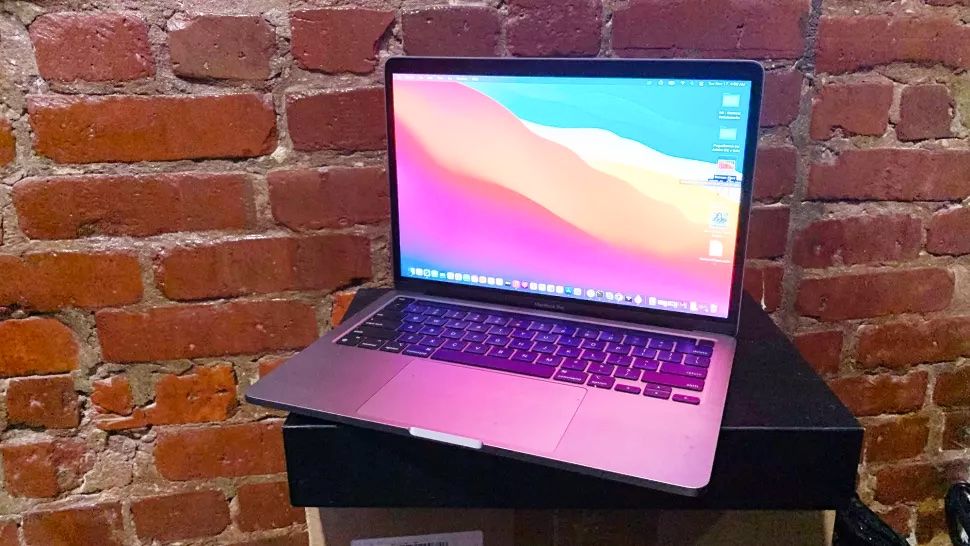
In a landscape increasingly demanding extended unplugged operation, Laptop Mag has conducted rigorous testing to identify the leading laptops for battery life in 2025. Published on November 28, 2025, this comprehensive evaluation highlights six devices that set benchmarks for endurance, offering users unparalleled mobility and productivity. The testing methodology involved continuous web surfing over Wi-Fi at a consistent brightness of 150 nits, providing a realistic assessment of real-world usage scenarios. This review delves into the technical specifications and architectural philosophies behind the top performers, offering an authoritative perspective on their capabilities.
Technical Breakdown
The laptops identified by Laptop Mag as having the best battery life in 2025 showcase a blend of advanced processor technology, optimized display solutions, and robust power management. While the full technical specifications for all six identified models are not exhaustively detailed, key insights into the top three performers reveal significant engineering achievements.
- MacBook Pro (16-inch, M4 Pro): Positioned as the "best overall," this model achieved an impressive 20 hours and 46 minutes of battery life. Its core specifications include an Apple M4 Pro (14-core) CPU, an Apple M4 Pro (20-core) GPU, 48GB of RAM, and a 2TB storage configuration. This demonstrates Apple's continued focus on performance per watt, a design discipline originating from phone and tablet markets, which translates into exceptional endurance for its M-series chips.
- Lenovo ThinkPad T14s Gen 6: Earning the title of "longest battery," this laptop delivered an outstanding 21 hours and 3 minutes on the Laptop Mag battery test. It features a Snapdragon X Elite XIE-78-100 CPU, a Qualcomm Adreno GPU, and 32GB of RAM. The integration of Qualcomm's Snapdragon X Elite chips is noted for leading the charge in efficiency and performance, contributing significantly to this model's extended runtime.
- Asus Zenbook 14 OLED (Q425M): Recognized as the "best budget" option, this device provided 15 hours and 52 minutes of battery life. Its technical configuration includes an Intel Core Ultra 7 155H CPU, Intel Arc Graphics, 16GB of RAM, and a 1TB SSD. The Zenbook 14 OLED is praised for its quality audio and comfortable keyboard, alongside its impressive battery performance.
Other notable laptops identified in the quick list include the MacBook Air 13 M4, Lenovo ThinkPad P1 Gen 7, and Asus TUF Gaming A14, further diversifying the options for users prioritizing battery longevity.
Core Functionality & Architecture for Extended Use
The exceptional battery life observed in these laptops is not merely a function of larger battery cells but a testament to sophisticated architectural design and system-level optimizations. Each manufacturer employs distinct strategies to achieve power efficiency without compromising user experience.
- Apple M4 Pro Architecture: The Apple M4 Pro chip, central to the MacBook Pro 16-inch, utilizes a scalable architecture that prioritizes performance per watt. This design philosophy, refined from mobile platforms, allows for incredible performance while maintaining amazing battery life, even under demanding professional workloads.
- Snapdragon X Elite Efficiency: Qualcomm's Snapdragon X Elite platform, powering the Lenovo ThinkPad T14s Gen 6, is engineered for extreme efficiency. Its architecture focuses on delivering robust performance for a modest number of tasks while consuming minimal power, making it ideal for all-day computing without a charger.
- Intel Core Ultra Series: The Intel Core Ultra 7 155H in the Asus Zenbook 14 OLED integrates a new architecture designed for improved power efficiency, particularly with its integrated Intel Arc Graphics. This allows for a balance of graphical capability and extended battery life, catering to users who require both visual fidelity and endurance.
- System-Wide Power Management: Beyond the silicon, these laptops benefit from advanced firmware and operating system-level power management protocols. These systems intelligently manage background processes, optimize display refresh rates, and dynamically adjust component power states to conserve energy across various usage scenarios.
Performance Analysis & Community Reception
The laptops highlighted by Laptop Mag demonstrate that achieving superior battery life does not necessitate a compromise on performance. The MacBook Pro (16-inch, M4 Pro) is explicitly noted as the "king of performance" for professionals and creatives, indicating that its extended battery life complements its high-end processing capabilities. Similarly, the Lenovo ThinkPad T14s Gen 6 combines its industry-leading battery life with powerful performance packed into a lightweight chassis, making it an excellent choice for users who prioritize both. The Asus Zenbook 14 OLED (Q425M) offers "snappy performance" alongside its impressive battery life, proving that quality and endurance can be delivered even in a budget-friendly package. The community consistently values laptops that offer significant unplugged time, recognizing the enhanced flexibility and productivity it provides. The rigorous testing methodology employed by Laptop Mag ensures that these devices are not only long-lasting but also capable of handling typical daily workloads efficiently, addressing the critical user need for reliable, enduring portable computing.
| Metric/Feature | MacBook Pro (16-inch, M4 Pro) | Asus Zenbook 14 OLED (Q425M) | Lenovo ThinkPad T14s Gen 6 |
|---|---|---|---|
| Battery Life (Laptop Mag Test) | 20 hours, 46 minutes | 15 hours, 52 minutes | 21 hours, 3 minutes |
| CPU | Apple M4 Pro (14-core) | Intel Core Ultra 7 155H | Snapdragon X Elite XIE-78-100 |
| GPU | Apple M4 Pro (20-core) | Intel Arc Graphics | Qualcomm Adreno |
| RAM | 48GB | 16GB | 32GB |
| Storage | 2TB | 1TB SSD | Not specified in source |
| Category Highlight | Best overall | Best budget | Longest battery |
Expert Verdict
The 2025 lineup of laptops with exceptional battery life, as rigorously tested and reviewed by Laptop Mag, represents a significant leap forward in portable computing. The MacBook Pro (16-inch, M4 Pro), Asus Zenbook 14 OLED (Q425M), and Lenovo ThinkPad T14s Gen 6 stand out as prime examples of how advanced silicon design, display technology, and comprehensive system optimization can converge to deliver devices that truly empower users to work and create without the constant tether of a power outlet. The industry's commitment to enhancing endurance, particularly through innovations like Apple's M-series chips and Qualcomm's Snapdragon X Elite, ensures that consumers in 2025 have access to a diverse range of high-performance laptops capable of sustaining demanding workloads for extended periods. This focus on longevity is not merely a convenience but a critical technical advancement that redefines the capabilities of modern mobile workstations and everyday computing devices.