

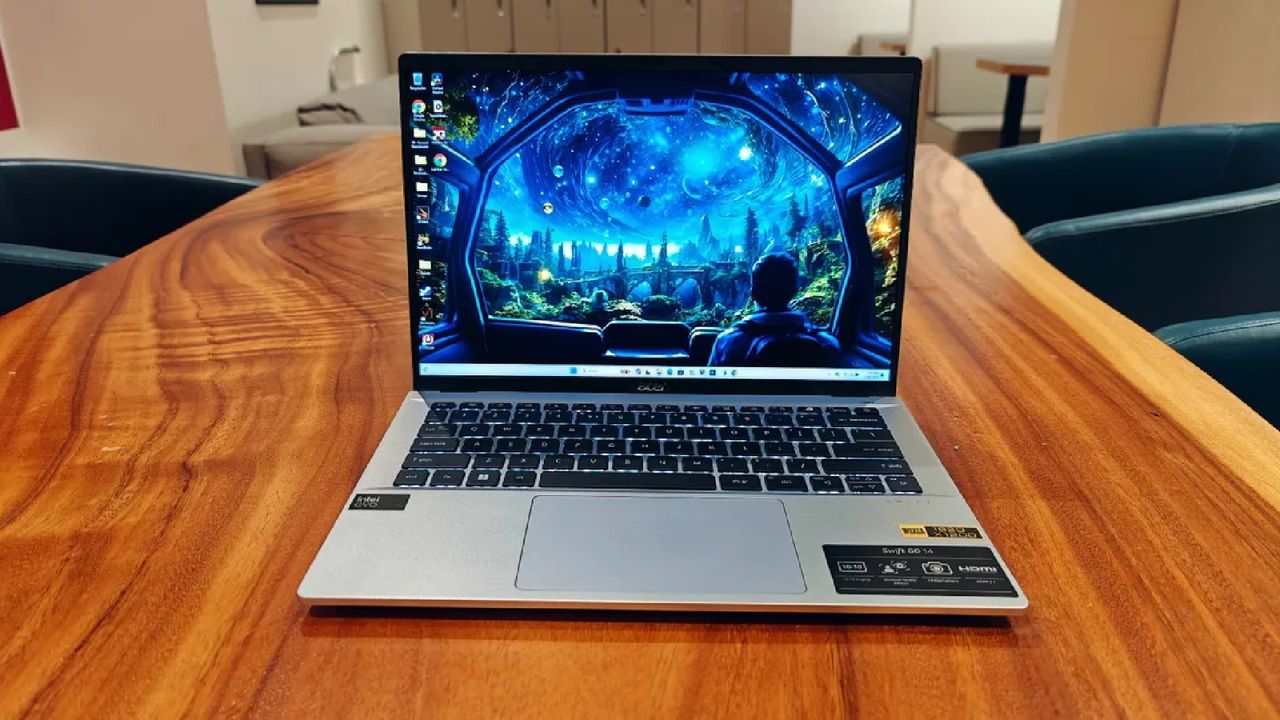
The landscape of affordable computing in 2025 demonstrates a significant evolution, with laptops under the $1,000 threshold delivering a compelling blend of power, extended battery life, and exceptional value. These machines are no longer relegated to basic tasks, now frequently integrating modern processors, including AI-powered units, to offer well-rounded performance suitable for diverse user needs.
Technical Breakdown
The current generation of budget-friendly laptops showcases a strategic balance of component selection and design to maximize performance within cost constraints. Key specifications and build considerations define this segment.
- Processor Architectures: Consumers can expect robust CPU options such as Intel Core Ultra 5 or 7, AMD Ryzen 5 or 7, Apple's M4, or Qualcomm Snapdragon Elite processors. These units are selected for their efficiency and capability in handling everyday tasks and more demanding workloads.
- Memory and Storage Subsystems: A minimum of 8GB of RAM is common, particularly in Chromebooks, but 16GB is increasingly becoming the recommended baseline for seamless multitasking and future-proofing. For storage, NVMe SSDs are standard, with 512GB being a common minimum, though 1TB is advisable for users managing larger files.
- Display Technology: Full HD (1920x1080) resolution is a standard expectation. While IPS panels offer a cost-effective solution with good viewing angles, OLED displays are appearing in some models, providing superior contrast and color reproduction. Gaming-oriented laptops in this category often feature high refresh rate displays, ranging from 120Hz to 165Hz, to ensure fluid visuals.
- Graphics Processing Units (GPUs): For gaming laptops under $1,000, the focus is on maximizing graphical output without exceeding the budget. This often involves previous-generation discrete GPUs like the Nvidia RTX 4050 or the newer entry-level RTX 50-series GPUs, such as the RTX 5050 or RTX 5060, which incorporate advanced rendering technologies like DLSS 4.
- Build Quality and Materials: The construction varies, with some premium models like the Apple MacBook Air 13-inch M4 featuring an all-aluminum chassis for exceptional sturdiness. Other models, such as the Acer Swift Go 14, may incorporate more plastic elements while still maintaining a sturdy feel.
- Price-to-Performance Ratio: The defining characteristic of this segment is the exceptional value offered. These laptops are engineered to provide a strong balance of performance, battery longevity, and durability, making them highly competitive.
Core Functionality & Architecture
Achieving a compelling balance of performance and affordability in the sub-$1,000 laptop market involves meticulous component selection and architectural design. Modern CPUs, including Intel's Meteor Lake, AMD Ryzen, and Apple's M4 chips, are central to this, offering significant processing power and energy efficiency.
- Integrated AI Capabilities: Many contemporary processors in this price bracket are AI-powered, enhancing various system functions from performance optimization to user experience.
- Thermal Management: For gaming laptops, effective cooling systems are critical to prevent thermal throttling during extended high-load operations, ensuring sustained performance.
- Connectivity Protocols: Standard connectivity includes Wi-Fi 6 for faster wireless networking, USB-C for versatile peripheral connections and charging, and HDMI for external display output.
Performance Analysis & Community Reception
Performance in the sub-$1,000 category in 2025 is notably strong, particularly with advancements in GPU technology and software optimization.
- Gaming Performance: Entry-level gaming laptops, equipped with GPUs like the Nvidia RTX 5050, demonstrate significant performance uplifts. The RTX 5050, for instance, can deliver over 6x the performance in titles like Cyberpunk 2077 at 2K Ultra settings and more than 10x in Star Wars Outlaws at FHD compared to its predecessor, the RTX 4050. It achieves an average of 72 FPS in Cyberpunk 2077. The RTX 5060 can even outperform the RTX 4070 in 2K and FHD gaming, thanks to technologies like DLSS 4 with Multi-Frame Generation (MFG), which generates additional frames to boost performance while maintaining low latency.
- General Productivity: For everyday tasks, these laptops offer smooth performance, capable of handling heavy browser use, online classes, and light creative work. The Apple MacBook Air 13-inch M4, for example, provides fantastic performance and long battery life, making it a strong contender for general use.
- Battery Life: Many models in this segment offer impressive battery longevity, with some providing over 15 hours of use, making them suitable for extended workdays or travel.
- Community Feedback: The community generally reacts positively to the enhanced capabilities and value proposition of these budget laptops. The ability to access powerful performance, including smooth gaming and efficient productivity, at an accessible price point is a significant draw.
| Metric/Feature (Key) | Value/Description (Value) |
|---|---|
| Best Overall Laptop | Apple MacBook Air 13-inch M4 (Starting at $999, often discounted) |
| Best Windows Laptop | Acer Swift Go 14 (Features Intel Core Ultra CPU, all-day battery life) |
| Best Gaming Laptop | Acer Nitro 17 (Impressively smooth gaming, 17.3-inch 165Hz display, Nvidia RTX 4060 GPU, AMD Ryzen 7 CPU) / ASUS TUF Gaming A16 Advantage Edition (Ryzen 7 7735HS CPU, AMD Radeon RX 7600s GPU, 16GB DDR5 RAM, 512GB storage, 165Hz FHD+ display) |
| Best Chromebook | Samsung Galaxy Chromebook Plus (Thin, lightweight, 15.6-inch AMOLED display, solid performance and battery life) |
| Best Business Laptop | Lenovo ThinkPad E14 Gen 5 |
| Recommended RAM | 16GB (ideal for multitasking), 8GB (minimum for basic use) |
| Recommended Storage | 512GB NVMe SSD (minimum), 1TB (for large files) |
| Recommended CPU (General) | Intel Core Ultra 5/7, AMD Ryzen 5/7, Apple M4, Qualcomm Snapdragon Elite |
| Recommended GPU (Gaming) | Nvidia RTX 4050/5050/5060, AMD Radeon RX 7600s |
| Typical Display Resolution | Full HD (1920x1080) |
| Gaming Display Refresh Rate | 144Hz, 165Hz (common) |
Expert Verdict
The 2025 market for laptops under $1,000 represents a significant achievement in balancing cost with advanced technological capabilities. Manufacturers have successfully integrated powerful, efficient processors and capable graphics solutions, often enhanced by AI-driven optimizations like NVIDIA's DLSS 4, to deliver a highly competent user experience. Whether for demanding productivity tasks, immersive gaming, or general daily use, the current selection offers robust options that challenge the perception of budget-tier hardware. The emphasis on strong price-to-performance ratios, coupled with advancements in display technology and battery longevity, ensures that consumers can acquire a highly functional and durable machine without exceeding a strict budget. This segment is poised to continue its growth, providing accessible technology that meets the evolving demands of modern computing. For further insights into future technological trends, consider exploring resources like Unlocking Tomorrow: The Future of Technology Unveiled.