

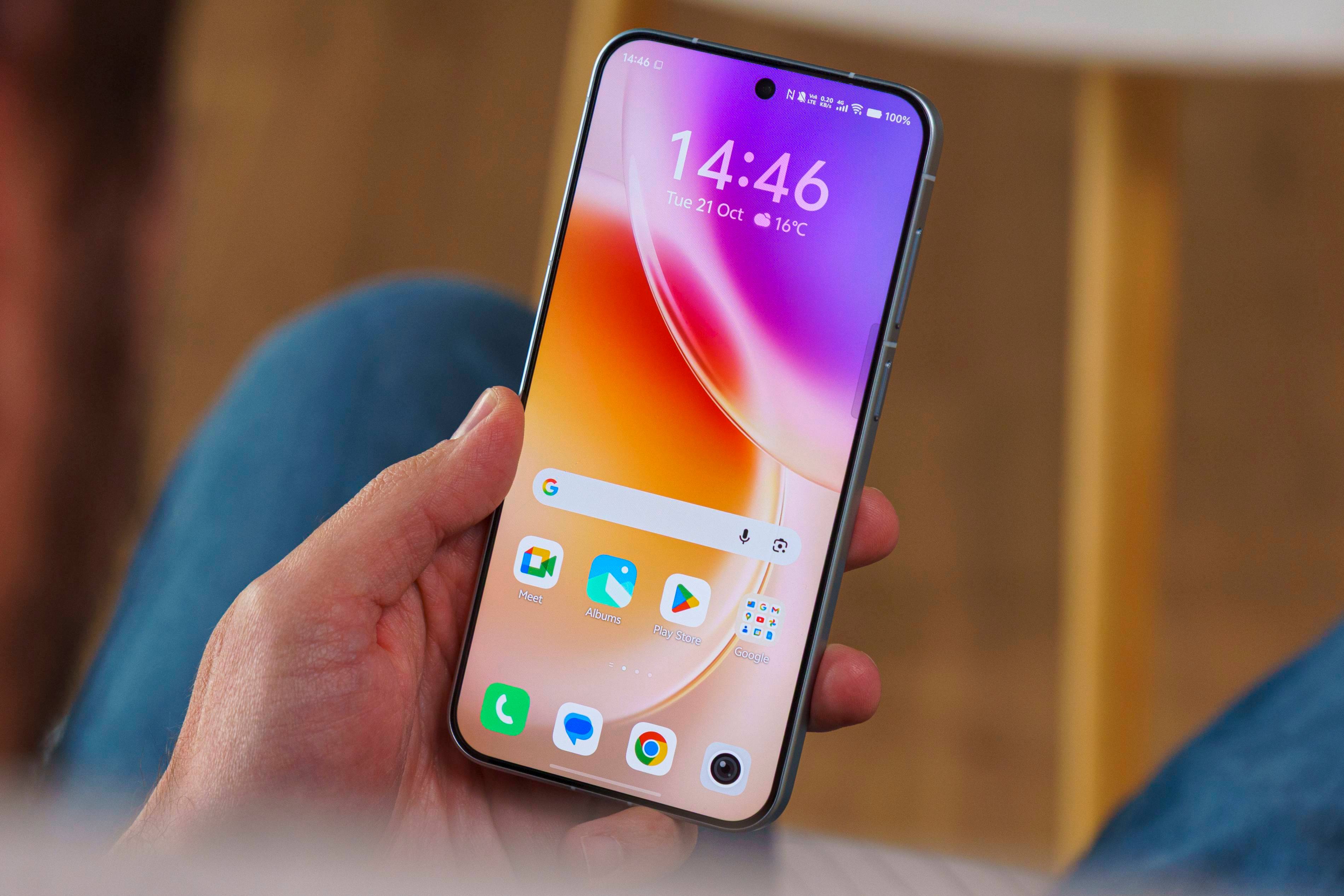
The vivo X300: Is the 'Mini Flagship' Concept a Masterstroke or a Misfire?
In a smartphone landscape increasingly dominated by behemoths, where screen sizes perpetually expand and devices grow ever more unwieldy, the announcement of a new ‘mini flagship’ invariably catches our editorial eye. This week, the tech world buzzes with the release of the vivo X300 video review from GSMArena Reviews, a crucial insight into a device that promises top-tier performance within a more manageable footprint. But as seasoned industry observers, we approach such claims with a healthy dose of skepticism: can a device truly be 'mini' while still delivering an uncompromised flagship experience?
- The vivo X300 emerges as a significant contender in the burgeoning compact flagship segment, inheriting the spirit of its predecessor, the X200 Pro mini.
- Its advanced camera array, featuring a 200MP main sensor, 50MP ultrawide with autofocus, and a 50MP periscope lens, aims to deliver professional-grade mobile photography in a smaller package.
- We believe the device offers a compelling blend of portability and premium specifications, but its true 'mini' status and overall value proposition warrant a deeper, critical examination.
Context & Background
The concept of the 'compact flagship phone' has seen a remarkable resurgence in 2024 and 2025, a direct counter-narrative to years of ever-growing devices. Consumers, it seems, are pushing back against the trend of unwieldy phablets, seeking premium devices that fit comfortably in one hand and a pocket. Brands like Apple, Samsung, Google, and Asus have responded, offering strong processors, high-quality cameras, and fast displays in smaller bodies. This shift is not merely anecdotal; market data and consumer surveys confirm a significant preference for portable and ergonomic devices.
vivo, a brand that has consistently pushed boundaries in imaging and design, appears to be keenly aware of this evolving sentiment. The X300, launched alongside the X300 Pro in October in China before a global rollout, is positioned as a smaller flagship, a spiritual successor to the X200 Pro mini from last year. This lineage is important. The X200 series, including the X200 Pro Mini, already demonstrated vivo's commitment to offering high-end features in more modest dimensions. The X-series itself has a decade-long history of purposeful innovation, often prioritizing user insight over raw spec sheets.
Historically, the challenge for 'mini' versions has always been compromise. Often, a smaller footprint meant stripped-down specifications, particularly in battery life or camera prowess. However, modern technological advancements, particularly in chip design and display efficiency, now allow manufacturers to pack flagship-level power into more compact forms without significant sacrifices. The question for the vivo X300, then, isn't just whether it's 'smaller,' but whether it maintains the integrity of a true flagship experience, especially given vivo's established reputation for camera innovation, as we’ve explored in our vivo X300 Pro review.
Critical Analysis
Our initial assessment, informed by the GSMArena video review and available specifications, suggests that the vivo X300 indeed packs a significant punch in the premium smartphone segment. The device reportedly features a 6.31-inch AMOLED display with a 120Hz refresh rate and an impressive peak brightness of up to 4,500 nits, ensuring a vivid and smooth visual experience. This display size, while not 'mini' by traditional standards (think iPhone SE or the original iPhone mini), is notably more compact than many contemporary flagships pushing 6.7 inches and beyond. The inclusion of an 8T LTPO panel further enhances efficiency and adaptability.
Under the hood, the vivo X300 is powered by the MediaTek Dimensity 9500 SoC, paired with up to 16GB of LPDDR5x RAM and 512GB of UFS 4.1 storage. This chipset, which also powers its larger sibling, the X300 Pro, promises flagship-level performance for demanding applications and gaming. It runs on Android 16-based OriginOS 6, a software skin that vivo has been refining for a smooth and responsive user experience, with features like a 'Smoothness Engine' and 'Origin Island'.
However, it is the X300's camera features that truly demand attention. vivo has equipped this premium device with a formidable triple-rear camera system: a 200MP main sensor (Samsung HPB, f/1.68, OIS), a 50MP ultrawide with autofocus (Samsung JN1, 119˚ FoV), and a 50MP periscope telephoto lens (Sony LYT-602, 3x optical zoom). The 200MP primary sensor, particularly a Samsung HPB with a 1/1.4-inch size, is designed for ultra-high resolution and stable shots, promising exceptional detail and clarity, even in challenging conditions. The inclusion of a 50MP ultrawide with autofocus is a critical detail, allowing for versatile landscape and close-up shots that many other ultrawide lenses miss. The 50MP periscope telephoto lens, capable of 3x optical zoom, further solidifies its photographic credentials, offering impressive reach and clarity.
Furthermore, the X300 boasts a 50MP front-facing camera, also a Samsung JN1 sensor, ensuring high-quality selfies and video calls. The collaboration with ZEISS, a hallmark of vivo's X-series, means we can expect optimized color science, reduced aberrations, and specialized portrait modes. This suite of camera hardware, coupled with vivo's V3+ imaging chip and AI enhancements, positions the X300 as a true contender for mobile photography enthusiasts.
The device's physical attributes also contribute to its premium feel. It weighs a manageable 190g and measures 7.95mm in thickness, making it noticeably lighter and slimmer than many of its competitors. The matte glass back panel, along with an aluminum frame, offers excellent grip and resists fingerprints, enhancing the overall in-hand feel. It also carries IP68 and IP69 ratings for dust and water resistance, providing peace of mind for daily use. Powering this compact flagship is a substantial 6,040mAh battery with 90W wired fast charging and 40W wireless charging, aiming to address common concerns about battery life in smaller form factors.
Evaluating the vivo X300's Strengths and Weaknesses
| ✅ Pros | ❌ Cons |
|
|
What This Means for You
For too long, consumers seeking a high-performance smartphone have been forced into a corner, often having to choose between cutting-edge features and a comfortable, pocketable design. The vivo X300, by embracing the 'compact flagship' philosophy, attempts to bridge this divide. It's a premium device that doesn't demand two hands for every interaction, making it appealing to professionals, commuters, and anyone tired of oversized phones.
We believe the X300's robust camera system, in particular, will be a major draw. The combination of a high-megapixel main sensor, a versatile ultrawide with autofocus, and a dedicated periscope telephoto lens offers a comprehensive mobile photography experience that rivals, and in some aspects, surpasses many larger flagships. This attention to detail in imaging, a hallmark of the vivo X series, provides a compelling reason to consider this device.
However, potential buyers should manage expectations around the term 'mini.' While significantly more manageable than a 'Pro Max' variant, its 6.31-inch display is still a substantial panel. It’s a compact *flagship*, not a return to the truly tiny phones of yesteryear. The choice of the Dimensity 9500, while powerful, might also be a point of consideration for those deeply invested in the Snapdragon ecosystem, though for most users, the real-world performance difference will likely be negligible. This device is for those who crave a flagship experience in a more refined, ergonomic form, valuing both power and portability.
The Verdict: From our perspective, the vivo X300 is more than just another phone; it represents a thoughtful evolution in smartphone design, catering to a growing demand for premium devices that don't sacrifice portability. Its impressive camera features, robust performance, and refined build quality position it as a serious contender in the compact flagship market. While the 'mini' designation is relative, its ability to deliver a comprehensive flagship experience in a more comfortable form factor makes it a compelling option for those seeking a high-end Android phone that truly fits their hand and their lifestyle.
Frequently Asked Questions
Analysis and commentary by the NexaSpecs Editorial Team.
What are your thoughts on the resurgence of compact flagships? Does the vivo X300 hit the sweet spot for you, or do you prefer larger devices? Let us know in the comments below!
Interested in vivo X300?
Check Price on Amazon →NexaSpecs is an Amazon Associate and earns from qualifying purchases.
📝 Article Summary:
We delve into the vivo X300, analyzing if this 'mini flagship' truly delivers a no-compromise premium experience in a more compact form factor. Our editorial team scrutinizes its impressive camera system, powerful specifications, and design to determine its standing in the evolving smartphone market.
Keywords:
Words by Chenit Abdel Baset