

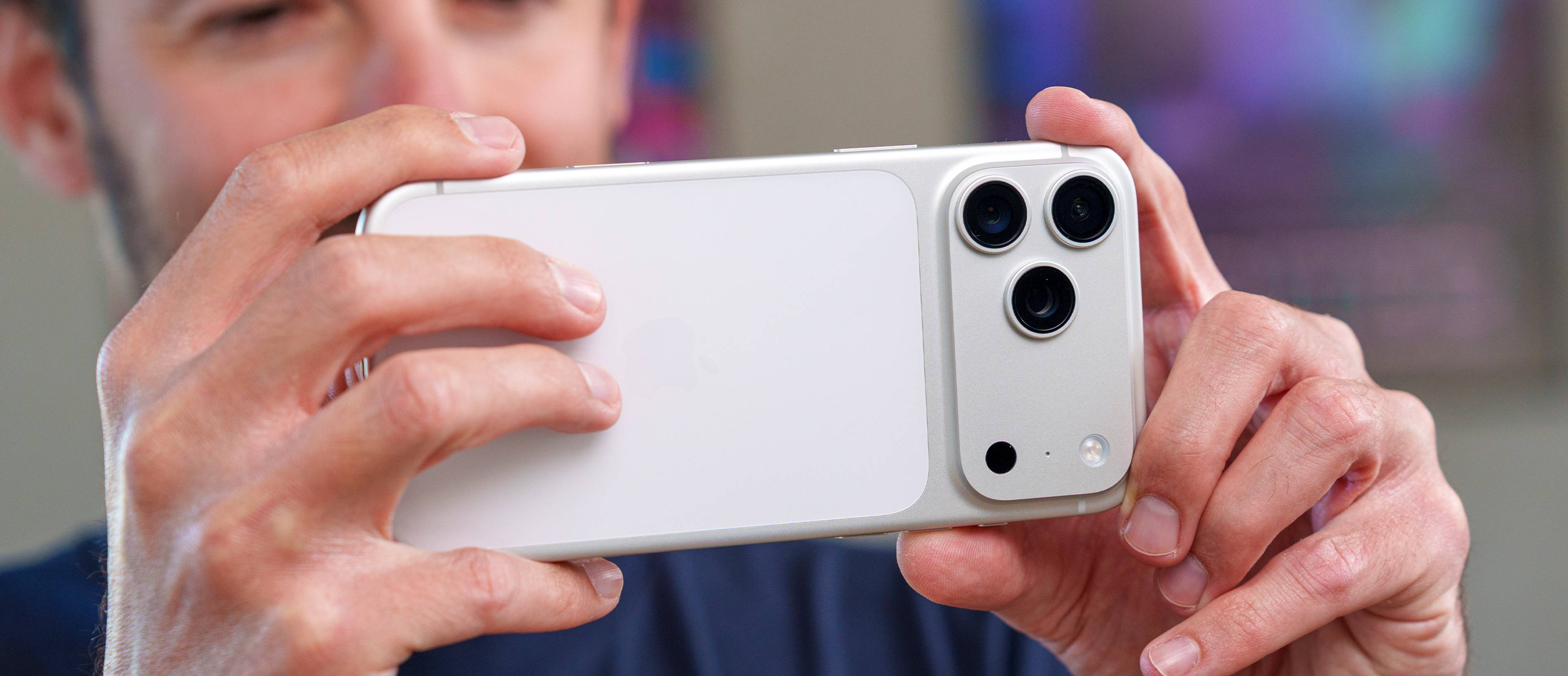
iPhone 17 Pro in MLS: A Game-Changing Innovation for Sports Broadcasting, or Apple's Savviest Marketing Play Yet?
- Apple has partnered with Major League Soccer (MLS) to integrate four iPhone 17 Pro units into the broadcast of the Inter Miami vs Vancouver Whitecaps final, primarily for capturing fan reactions and behind-the-goal perspectives.
- The initiative, marked by a prominent "Shot on iPhone" tag, represents a significant marketing push for the iPhone 17 Pro's camera capabilities in a professional sports broadcasting context.
- While validating certain aspects like latency and thermal behavior, this deployment raises critical questions about the iPhone's true capacity to meet the rigorous demands of professional video production compared to dedicated broadcast equipment.
Evaluating the iPhone 17 Pro's Role in Professional Broadcasting
✅ Pros & ❌ Cons
| ✅ Pros | ❌ Cons |
|
|
We've observed with keen interest the latest announcement from Apple and Major League Soccer: four iPhone 17 Pro units are slated for deployment in the upcoming Inter Miami vs Vancouver Whitecaps final. This isn't just about capturing a game; it's a statement, a bold assertion of smartphone capability in the hallowed grounds of professional sports broadcasting. According to GSMArena Reviews, these devices will be integrated into the broader production, specifically focusing on behind-the-goal perspectives and, notably, the raw, unfiltered reactions of the crowd.
Our initial reaction, as seasoned industry critics, is one of measured skepticism intertwined with genuine curiosity. While the idea of a smartphone contributing to a major sports broadcast is undoubtedly compelling, we must peel back the layers of marketing veneer to understand the true implications. The omnipresent "Shot on iPhone" tag will, without a doubt, serve as a powerful advertising tool, showcasing the iPhone 17 Pro's camera prowess to millions.
Critical Analysis: Beyond the Marketing Hype
For months, MLS engineers have reportedly been putting these devices through their paces, validating aspects such as latency and thermal behavior. This validation is crucial, yet it only tells part of the story. Professional broadcast environments are unforgiving. They demand unparalleled reliability, consistent performance under varied conditions, and an almost limitless ability to adapt to unforeseen circumstances.
When we discuss `iPhone 17 Pro sports broadcasting`, we must consider the fundamental differences between a consumer device, however advanced, and dedicated professional equipment. Broadcast cameras, from behemoths like those used at the 50-yard line to the more nimble cinema cameras, are built for a singular purpose: uncompromising image acquisition in demanding settings. They boast larger sensors, superior optics with interchangeable lenses, robust thermal dissipation systems, and professional-grade input/output for audio, video, and control.
While the iPhone 17 Pro, with its advanced computational photography and powerful A-series chip, can deliver stunning results in controlled environments, maintaining that quality for extended periods in the unpredictable world of live sports — think varying light, rapid action, and potential heat exposure — presents significant `smartphone video production challenges`. We've seen consumer devices struggle with sustained high-bitrate recording, leading to thermal throttling and reduced frame rates. This is simply not acceptable in a live broadcast where every second counts.
From our perspective, the deployment of the iPhone 17 Pro in the MLS final appears to be a highly strategic move for `Apple MLS camera integration`. It's less about replacing traditional broadcast cameras and more about augmenting them, specifically for shots where a smaller, more discreet footprint is advantageous. Capturing dynamic crowd reactions or unique angles from tight spaces is a perfect fit for the form factor of a smartphone. However, attributing the overall broadcast quality solely to the iPhone would be a misrepresentation.
We've observed similar trends with other high-end smartphones. For instance, in our vivo X300 Pro Review, we highlighted how even top-tier devices face limitations when pushed to professional extremes. The computational power of Apple's silicon, as we've analyzed in discussions around Intel 18A & Apple M-Series, is undeniable. Yet, software cannot fully compensate for fundamental hardware differences in sensor size and optical systems.
The Bigger Picture: Democratization vs. Professionalism
This development is indicative of a broader trend: the increasing convergence of consumer and professional technology. For years, smartphones have been democratizing content creation, putting powerful cameras into the hands of billions. This `Apple MLS camera integration` pushes that narrative further into the professional realm, albeit in a carefully curated capacity.
We believe this move will undoubtedly spark conversations across the industry. Will dedicated camera manufacturers feel the heat? Perhaps in niche segments, but the core professional market for sports broadcasting demands a level of robustness, modularity, and control that smartphones simply cannot offer at present. The ability to swap lenses, connect multiple audio inputs, and integrate seamlessly with complex control rooms remains the domain of specialized equipment.
However, we shouldn't dismiss the potential for innovation. The pressure from high-profile deployments like this could spur further advancements in smartphone camera technology, particularly in areas like sustained performance, advanced thermal management, and improved professional-grade accessory ecosystems. The challenge for Apple, and for the industry at large, is to bridge the gap between impressive consumer-level performance and the non-negotiable reliability and flexibility required for live, high-stakes professional productions.
Our analysis shows that while the iPhone 17 Pro's involvement in the MLS final is a testament to its evolving capabilities and a brilliant stroke of marketing, it serves more as a supplementary tool than a foundational pillar of the broadcast infrastructure. It highlights the device's strengths in capturing intimate, human moments that might otherwise be missed, thereby enriching the overall viewing experience.
The Verdict: The integration of iPhone 17 Pro units into the MLS final broadcast is a savvy, high-visibility marketing initiative by Apple, demonstrating the device's impressive camera capabilities for specific, supplementary shots. While it validates certain technical aspects, it carefully navigates the line between genuine professional utility and a powerful 'Shot on iPhone' brand statement, without fundamentally disrupting the established standards of broadcast technology.
Frequently Asked Questions
Analysis and commentary by the NexaSpecs Editorial Team.
What do you think about the iPhone 17 Pro's role in the MLS final? Is this a genuine step towards democratizing professional broadcasting, or primarily a sophisticated marketing tactic? Let us know your thoughts in the comments below!
Interested in iPhone 17 Pro?
Check Price on Amazon →NexaSpecs is an Amazon Associate and earns from qualifying purchases.
📝 Article Summary:
Apple's deployment of iPhone 17 Pro units for Major League Soccer final broadcasts is a significant, high-profile move, primarily aimed at showcasing the device's camera capabilities for capturing supplementary content. Our analysis suggests this is a strategic marketing play that highlights the iPhone's strengths in portability and image quality for specific roles, without fully challenging the comprehensive demands of professional broadcast equipment.
Keywords:
Words by Chenit Abdel Baset