

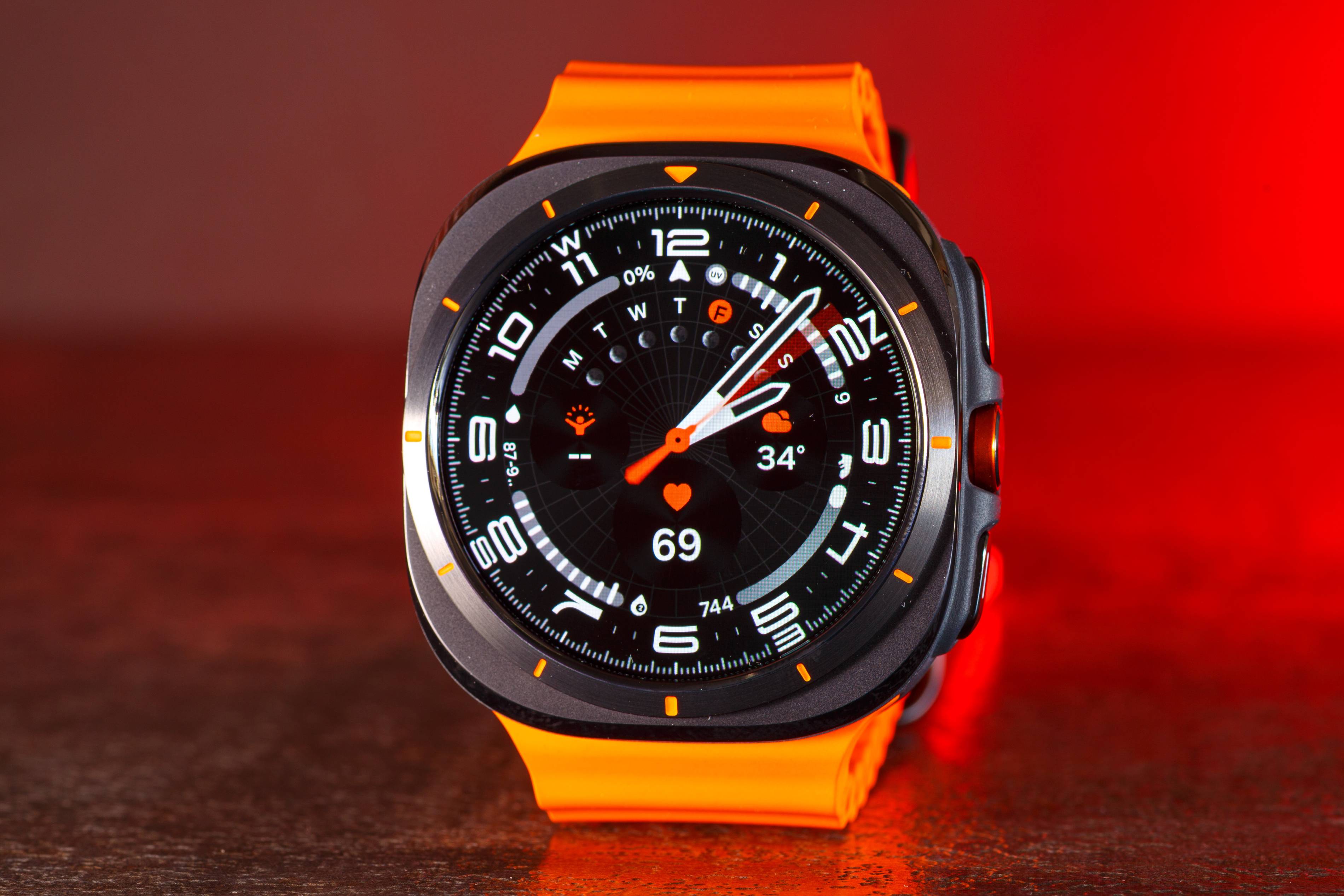
Samsung Galaxy Watch Ultra 2: Is Samsung Ready to Redefine the Rugged Smartwatch Segment in 2026?
- Reports indicate the Samsung Galaxy Watch Ultra 2 is slated for a summer 2026 launch, alongside the Galaxy Watch 9 and next-gen foldables.
- We anticipate significant hardware upgrades, including a new 3nm Exynos W1000 chipset, enhanced battery life, and potentially new health monitoring capabilities, distinguishing it from prior minor refreshes.
- Samsung's strategy for the Galaxy Watch Ultra 2 appears to be a direct challenge to premium rivals, aiming to solidify its position in the high-end, rugged smartwatch market with meaningful innovation.
✅ Pros & ❌ Cons
| ✅ Pros | ❌ Cons |
|
|
The murmurs from the tech sphere have coalesced into a clear signal: the Samsung Galaxy Watch Ultra 2 is on the horizon, with a potential launch window set for summer 2026. This isn't just another incremental update; according to a new report sourced from GSMArena Reviews, we are looking at the true successor to the original Galaxy Watch Ultra, promising a substantial leap forward that the 2025 refresh, essentially a cosmetic and storage bump, largely bypassed. For us, this news carries a dual significance. It not only sets the stage for Samsung to re-assert its authority in the premium, rugged smartwatch category but also invites a deeper scrutiny of its long-term wearable strategy.
The original Galaxy Watch Ultra, launched in 2024, made a bold statement, positioning itself as Samsung's answer to the burgeoning market for adventure-ready wearables. It featured a robust titanium build, extensive health tracking, and a larger battery, aiming to cater to power users and outdoor enthusiasts. However, the 2025 iteration, while offering a new colorway and increased storage, offered little in the way of significant hardware advancements, leaving many of us wondering about the true trajectory of Samsung's 'Ultra' vision. The impending arrival of the Samsung Galaxy Watch Ultra 2, alongside the anticipated Galaxy Watch 9 and Samsung's next generation of foldable smartphones around July 2026, suggests a coordinated assault on the high-end consumer electronics market.
Critical Analysis
From our perspective, the timing of the Galaxy Watch Ultra 2's rumored launch is crucial. Samsung has been in a two-year cycle for its rugged watch offerings, with the Galaxy Watch 5 Pro in 2022, followed by the original Ultra in 2024. A 2026 launch for the Ultra 2 fits this pattern, indicating a deliberate strategy to deliver substantial upgrades rather than annual, minor iterations. We believe this is a smart move, especially in a market segment where durability and sustained performance are paramount. Consumers investing in an "Ultra" device expect longevity and cutting-edge features that justify a premium price tag.
The speculation around a new 3nm Samsung Exynos W1000 chipset is particularly exciting. Such a significant process shrink would undoubtedly translate into substantial gains in both performance and power efficiency. This could be the key to unlocking the "multi-day" battery life that premium smartwatch users crave, moving beyond the 40-48 hours typically seen in current Wear OS devices. Our analysis suggests that a more powerful yet efficient chipset would enable more sophisticated on-device AI capabilities and continuous, accurate health monitoring without unduly taxing the battery, addressing a perennial pain point for many users. The current Galaxy Watch Ultra already offers impressive battery life of up to 100 hours in power-saving mode, and we expect the Ultra 2 to build upon this.
Furthermore, the internal designation "Galaxy Watch 9 Ultra" hints at a deeper integration with Samsung's mainline smartwatch series. While the marketing name will likely remain "Galaxy Watch Ultra 2," this internal alignment suggests shared core technologies and a unified software experience, likely running a newer iteration of One UI Watch built upon Wear OS. As we've seen with the evolution of Google Pixel Watch gestures and the broader Wear OS ecosystem, software innovation is just as critical as hardware.
The Bigger Picture
The premium smartwatch market is a battleground, dominated by Apple's formidable Watch Ultra series. Samsung's initial Galaxy Watch Ultra made inroads, offering a compelling alternative at a slightly lower price point. The Galaxy Watch Ultra 2 represents an opportunity for Samsung to close the gap further, or even carve out a distinct advantage. We believe that to truly succeed, the Ultra 2 must not only match but exceed expectations in areas like display brightness, advanced biometric sensors, and seamless integration within Samsung's expansive Galaxy ecosystem.
The display, for instance, is already a 1.5-inch Super AMOLED with sapphire crystal protection on the current Ultra. For the Ultra 2, while the size might remain consistent, we anticipate improvements in peak brightness to ensure legibility in extreme outdoor conditions and potentially more dynamic refresh rate capabilities for smoother interactions and further power saving. Enhanced durability features, beyond the existing MIL-STD 810H certification and IP68/10ATM water resistance, could also be on the cards, perhaps through new materials or an even more robust chassis design.
The focus on new health features is another critical area. While the 2025 refresh brought features like Vascular Load and Antioxidant Index, we expect the Ultra 2 to dig into even more sophisticated metrics. This could include more granular sleep stage analysis, advanced stress monitoring with actionable insights, or even capabilities that leverage Samsung's broader AI initiatives. The synergy between hardware, software, and AI is what will truly differentiate the next generation of smartwatches, transforming them from mere notification hubs into indispensable health and fitness companions. Samsung's commitment to "practical health features" for future watches is well-documented.
The Verdict: Our outlook on the Samsung Galaxy Watch Ultra 2 is one of cautious optimism. The rumored July 2026 launch, coupled with the promise of a truly next-generation Exynos chipset and substantial feature enhancements, positions it as a formidable contender. If Samsung delivers on these expectations, the Ultra 2 could very well set a new benchmark for premium rugged smartwatches, offering a compelling blend of performance, durability, and advanced health capabilities that truly redefine the segment.
Analysis and commentary by the NexaSpecs Editorial Team.
What are your expectations for the Samsung Galaxy Watch Ultra 2? Do you believe it can truly challenge the established players, or will it be another incremental step? Let us know your thoughts in the comments below!
📝 Article Summary:
Samsung Galaxy Watch Ultra 2: Is Samsung Ready to Redefine the Rugged Smartwatch Segment in 2026? 📌 Key Takeaways Reports indicate the Samsung Galaxy Watch Ultra 2 is slated for a summer 2026 launch, alongside the Galaxy Watch 9 and next-gen foldables.We anticipate significant h...
Words by Chenit Abdel Baset