

OnePlus 15R: Is its Mammoth 7,400 mAh Battery and 80W SuperVOOC Charging a True Leap or Just Clever Marketing?
The Verdict: While OnePlus touts an impressive 7,400 mAh battery and rapid 80W SuperVOOC charging for the 15R, we remain cautiously optimistic, questioning the real-world implications of such claims amidst intense market competition.
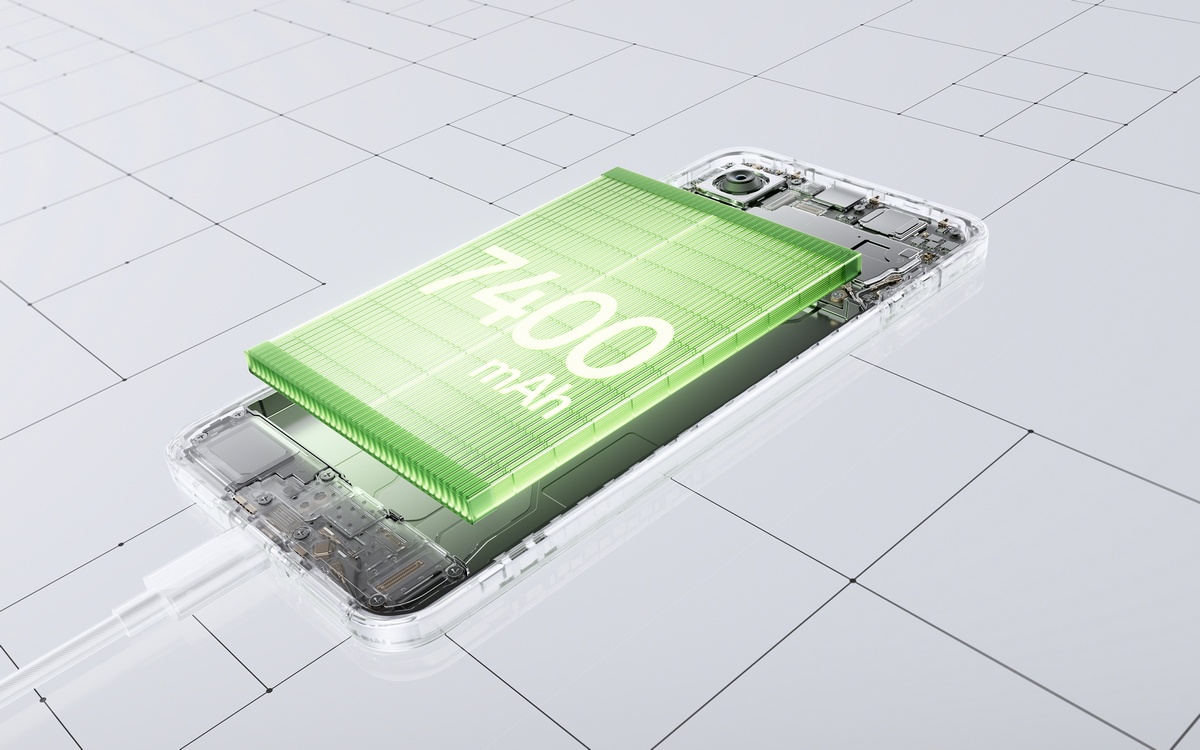
- The OnePlus 15R boasts a 7,400 mAh battery, setting a new record for the brand outside of China, a significant move in the mid-range segment.
- Its 80W SuperVOOC wired charging is positioned as a market-leading speed, promising rapid power-ups despite potential long-term degradation concerns.
- The integration of 15% silicon content in the anode signals a technological push for enhanced energy density and potential battery longevity, a claim that warrants deeper scrutiny over time.
As the December 17th unveiling of the OnePlus 15R, Pad Go 2, and Watch Lite draws near, our editorial team has been meticulously sifting through the drip-fed specifications. The latest revelation, officially confirmed by OnePlus, concerns the 15R's battery: a substantial 7,400 mAh capacity. This figure, we must admit, is significant, marking it as the largest battery ever integrated into a OnePlus smartphone sold outside of the Chinese market. It immediately begs the question: is this a genuine commitment to addressing one of the most persistent consumer pain points, or merely a headline-grabbing number in a fiercely competitive landscape?
We've witnessed countless manufacturers engage in a specification arms race, often prioritizing raw numbers over integrated user experience. While 7,400 mAh certainly sounds impressive on paper, we believe a deeper dive into the technological underpinnings and real-world implications is warranted. After all, a large battery alone doesn't guarantee exceptional endurance; software optimization, display efficiency, and processor management play equally crucial roles.
Deconstructing the OnePlus 15R Battery Claims: Capacity, Longevity, and SuperVOOC Charging
OnePlus is positioning the 15R's battery as a cornerstone feature, a narrative we're keen to dissect. The official confirmation of a 7,400 mAh cell outside of China is a bold statement, surpassing even some tablets in capacity. For context, OnePlus's domestic market saw the Ace 6T feature an even larger 8,300 mAh cell, indicating a clear strategic direction towards maximizing power reserves.
Diving Deep into OnePlus 15R Battery Specifications: 7,400 mAh and Silicon Anodes
The sheer scale of the 7,400 mAh battery immediately places the OnePlus 15R in a league of its own for endurance within the brand's global portfolio. Historically, smartphone batteries have hovered around the 4,000-5,000 mAh mark, with anything above 6,000 mAh typically reserved for specialized gaming phones or budget devices where thickness isn't a primary concern. The move to 7,400 mAh suggests OnePlus is directly responding to user demand for extended usage between charges, a critical factor for many in our increasingly always-on world.
However, the capacity isn't the only story here. OnePlus has also revealed that this substantial battery incorporates a 15% silicon content within its anode. For those unfamiliar with battery chemistry, silicon anodes are a significant advancement. Traditional graphite anodes have limitations in how much lithium they can store. Silicon, with its higher theoretical energy density, allows for more power to be packed into the same volume, or in this case, a greater capacity without an exorbitant increase in physical size and weight. This technological detail, often overlooked in marketing, is where genuine innovation truly lies, potentially offering a glimpse into future battery technologies across the industry.
Assessing the OnePlus 15R's 80W SuperVOOC Charging Speed and Long-Term Battery Health
Accompanying this capacious cell is 80W SuperVOOC wired charging. OnePlus, a pioneer in rapid charging technologies through its parent company's advancements, has consistently pushed the envelope in this domain. 80W SuperVOOC is undoubtedly fast, capable of delivering a significant charge in a remarkably short period. In an age where every minute counts, the ability to quickly top up a device is a compelling selling point.
Yet, we've always approached ultra-fast charging with a degree of skepticism. The trade-off between speed and long-term battery health is a conversation often sidelined in promotional materials. While the initial thrill of a rapid charge is undeniable, sustained high-wattage charging can generate considerable heat, which is a known accelerant of battery degradation. It’s a delicate balance engineers constantly strive to perfect.
OnePlus attempts to mitigate these concerns with a bold claim: the battery is "said to keep at least 80% of its initial capacity after four years of use". This is a crucial promise, and one that we, as industry critics, will be monitoring closely. While laboratory conditions can yield impressive longevity statistics, real-world usage — encompassing varying charging habits, temperature fluctuations, and discharge cycles — often tells a different story. Such a guarantee, if it holds true, would represent a significant step forward in consumer confidence regarding battery longevity, a topic we've previously touched upon when discussing the broader implications of device lifecycles.
✅ Pros & ❌ Cons
| ✅ Pros | ❌ Cons |
| Largest battery capacity for a global OnePlus phone (7,400 mAh) promises exceptional endurance. Advanced 15% silicon anode content suggests higher energy density and potential for improved longevity. 80W SuperVOOC wired charging offers incredibly fast top-ups, reducing downtime significantly. Claimed 80% capacity retention after four years addresses a major consumer concern regarding battery degradation. Potentially positions the 15R as a leader in battery life within its segment. | Real-world battery longevity may vary significantly from laboratory claims. High-wattage fast charging, despite advancements, can still contribute to long-term battery wear. A larger battery could imply increased device thickness and weight, impacting ergonomics. The overall user experience is also reliant on processor efficiency and software optimization, not just raw battery capacity. Competitors are also rapidly advancing battery and charging technologies, requiring sustained innovation from OnePlus. |
The Broader Implications for OnePlus's Mid-Range Strategy and Smartphone Battery Longevity
This aggressive move in battery capacity with the 15R signals a potential shift in OnePlus's strategic focus, particularly within the competitive mid-range market. For some time, OnePlus has grappled with defining its identity, oscillating between "flagship killer" aspirations and broader market appeal. A device like the 15R, leading with a colossal battery, suggests a deliberate attempt to capture a segment of users who prioritize endurance above all else.
Our analysis shows that in an ecosystem where devices like the Poco F8 Ultra Dethrones OnePlus 15 in Week 48, market share is increasingly dictated by compelling value propositions. A significant battery improvement can serve as a powerful differentiator. It’s no longer enough to offer just raw processing power or a good camera; sustained performance throughout the day has become a non-negotiable for many.
Furthermore, the focus on silicon anode technology indicates a commitment to pushing the boundaries of current battery tech. This isn't just about making batteries bigger; it's about making them smarter and more efficient. As we've observed in other sectors, such material science advancements are crucial for sustainable innovation, potentially influencing future designs across the entire smartphone industry. It suggests OnePlus is investing in the core components that dictate the fundamental user experience.
What the OnePlus 15R's Battery Innovations Mean for You and the Future of Fast Charging
For the average consumer, the promise of a 7,400 mAh battery is undeniably appealing. It translates to less range anxiety, fewer frantic searches for power outlets, and a greater degree of freedom from portable chargers. This could be particularly impactful for power users, frequent travelers, or anyone who relies heavily on their smartphone throughout long workdays or commutes. The ability to go two full days, or even longer with moderate use, would be a game-changer for many.
The 80W SuperVOOC charging, paired with this large cell, means that even when you do need to charge, the interruption is minimal. Imagine waking up with a near-dead phone and getting enough juice for several hours of use during your morning routine. This convenience factor cannot be overstated. However, we urge consumers to consider the holistic package. A powerful battery is only one component of a satisfying smartphone experience. The unspecified processor, camera capabilities, and display quality will all contribute to the 15R's overall value proposition.
The commitment to 80% capacity after four years, if substantiated by independent long-term testing, would revolutionize user expectations for smartphone longevity. It would signal a move away from the perceived obsolescence driven by dwindling battery performance. This would resonate deeply with consumers who are increasingly looking for devices that offer sustained performance and value over several years, aligning with broader sustainability trends we've noted in our discussions about device lifecycles. It’s a high bar set by OnePlus, and one we anticipate watching them strive to clear.
Analysis and commentary by the NexaSpecs Editorial Team.
What are your thoughts on the OnePlus 15R's ambitious battery claims? Do you prioritize sheer capacity, charging speed, or long-term battery health? Let us know in the comments below!
📝 Article Summary:
OnePlus 15R: Is its Mammoth 7,400 mAh Battery and 80W SuperVOOC Charging a True Leap or Just Clever Marketing? The Verdict: While OnePlus touts an impressive 7,400 mAh battery and rapid 80W SuperVOOC charging for the 15R, we remain cautiously optimistic, questioning the real-world implicati...
Words by Chenit Abdel Baset