

Your Brain on 'Battlefield 6': Welcome to the Future, I Guess.
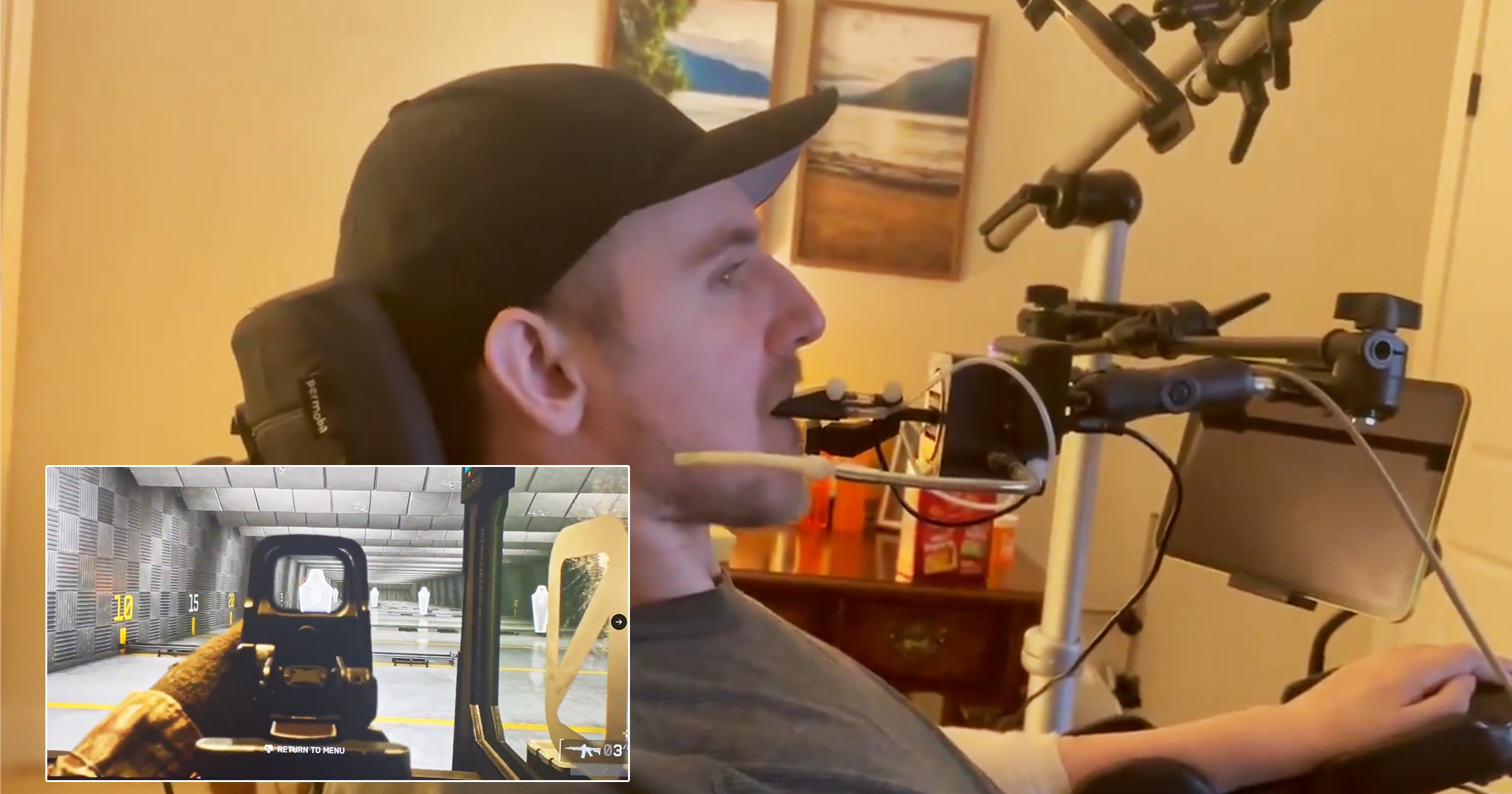
Introduction: Remember when brain implants were strictly for bad sci-fi movies and tin-foil hat enthusiasts? Well, grab your popcorn, because Elon Musk's Neuralink is here to tell you that controlling a first-person shooter with your thoughts is now a Tuesday afternoon activity. Seriously. A paralyzed man is reportedly fragging enemies in 'Battlefield 6' using a chip in his head. What a time to be alive, or, you know, just wired up.
Key Specifications (Fact-Checked)
| Component | Details | Function in Gaming Setup |
|---|---|---|
| Neuralink N1 Implant ('The Link') | Coin-sized device, surgically implanted in skull. Contains 1024 electrodes on ultra-thin threads. Powered wirelessly. Processes and transmits neural signals. | Translates thought into cursor control for aiming in games. |
| QuadStick Controller | Mouth-operated joystick with sip & puff sensors and lip position sensor. Emulates game controller, mouse, or keyboard. | Controls character movement (e.g., walking, looking around). |
| Surgical Robot | Custom-built robot for precise insertion of Neuralink's delicate threads into the brain. | Performs the actual brain surgery. |
Deep Dive / Analysis
So, Rob Greiner, paralyzed from the shoulders down since a 2022 car crash, is now playing 'Battlefield 6' thanks to a Neuralink implant. This isn't just someone moving a cursor; he's aiming, firing, and apparently, getting good at it. He describes his setup like having an "imaginary mouse" controlled by his thoughts, while his mouth handles the "keyboard" via a QuadStick. Previously, using only the QuadStick meant he couldn't aim and move simultaneously – a pretty big handicap in any modern FPS. Now, he's doing both. That's a genuine improvement, not some marketing drivel.
Other patients are also getting in on the action. Noland Arbaugh, Neuralink's first human patient, claimed the implant was like having "an aimbot in my head," using it to play 'Civilization VI' and even 'Mario Kart'. Another patient, Alex, is playing 'Counter-Strike 2' and even learning CAD software. It's clear the tech delivers some level of functional control. The company claims it has implanted devices in about a dozen subjects so far, with human trials kicking off last year. That's a faster rollout than some might have expected for something involving literally drilling into someone's skull.
Of course, it's not all sunshine and headshots. Greiner admits it takes "a ton of practice" to get accurate, comparing it to laptop cursor control. This isn't plug-and-play telepathy, it's a new muscle memory for your brain. And let's not forget the looming "brain privacy" concerns. Sticking a chip in someone's head to read their thoughts for gaming is one thing; what happens when these things get more pervasive? We're already giving away our data to every tech giant under the sun. Now they want direct access to the source? Food for thought, literally.
Pros & Cons
- Pros:
- Restores significant autonomy and recreational opportunities for paralyzed individuals.
- Enables simultaneous aiming and movement in games for those with severe paralysis, previously impossible with traditional adaptive tech.
- Potential for broader applications beyond gaming, like controlling other digital devices or even prosthetics.
- Cons:
- Requires invasive brain surgery.
- Significant learning curve for precise control.
- Raises serious ethical questions about "brain privacy" and data security.
- Long-term reliability and potential health implications are still being assessed.
Final Verdict
Look, Neuralink isn't perfect. It's invasive, requires practice, and the privacy implications are frankly terrifying if you think about it for more than five minutes. But for someone like Rob Greiner, who can now effectively play a fast-paced shooter, it's a monumental leap. This isn't just about gaming; it's about giving back a piece of life that paralysis stole. For individuals with severe motor disabilities, this tech is a genuine game-changer, despite the marketing hype and the ominous undertones. Everyone else? Well, you can stick to your mouse and keyboard for now. Your brain will thank you.
📝 Article Summary:
Your Brain on 'Battlefield 6': Welcome to the Future, I Guess. Introduction: Remember when brain implants were strictly for bad sci-fi movies and tin-foil hat enthusiasts? Well, grab your popcorn, because Elon Musk's Neuralink is here to tell you that control...
Keywords:
Words by Chenit Abdel Baset