

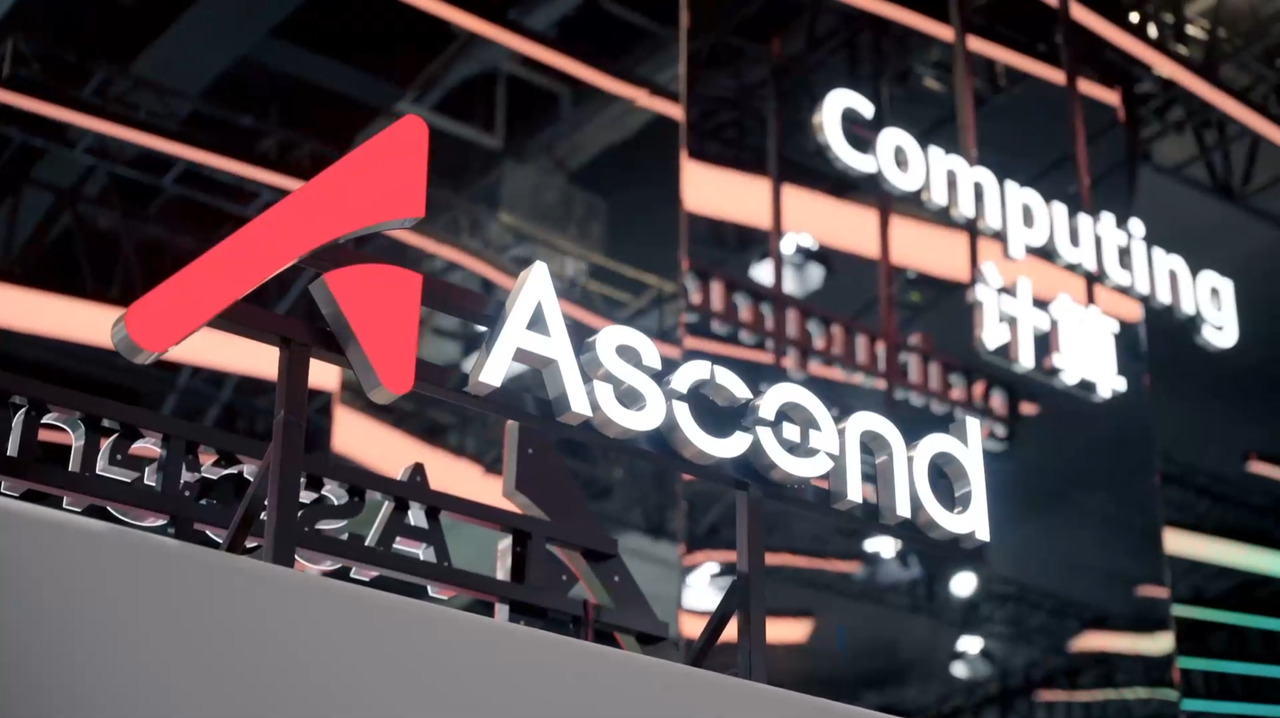
Huawei Ascend NPU Roadmap: 4 ZettaFLOPS by 2028
Friends, we're on the cusp of an AI revolution, and at the heart of it are the specialized processors designed to handle its immense computational demands. Recently, a fascinating revelation from Tom's Hardware caught our eye: Huawei has laid out an incredibly ambitious roadmap for its Ascend NPU line. This isn't just about incremental upgrades; it’s a bold declaration of intent to dominate a critical sector of future technology.
Imagine computing power on a scale that almost defies belief – 4 ZettaFLOPS of FP4 performance by 2028. From our perspective, this isn't merely a number; it represents a fundamental shift in how we approach AI infrastructure, particularly coming from a company navigating significant global headwinds.
- Huawei's Ascend NPU roadmap aims for an astounding 4 ZettaFLOPS FP4 performance by 2028, a major leap in AI computing.
- The strategy pivots from traditional chip scaling to innovative system-level scaling, utilizing vast "SuperClusters" with over a million processors.
- Despite facing significant U.S. sanctions and manufacturing constraints, Huawei demonstrates remarkable resilience and long-term vision in the AI hardware space.
Context & Background: Huawei's AI Imperative
To truly appreciate the significance of Huawei's Ascend NPU roadmap, we need to understand the landscape it's operating within. For years, Huawei has been a titan in telecommunications and consumer electronics, but escalating U.S. sanctions have dramatically altered its trajectory, particularly concerning access to advanced semiconductor manufacturing. This has forced the company to innovate under immense pressure.
Our analysis shows that Huawei's pivot towards internal development and system-level optimization for AI isn't just a strategic choice; it's a necessity for survival and continued relevance. They are not merely competing; they are redefining competition within their unique set of constraints. The introduction of processors like the Ascend 950, 960, and 970 are key components in this ambitious vision.
This situation mirrors, in some ways, the broader geopolitical currents impacting the tech world, where nations and companies are increasingly investing in domestic chip capabilities. For example, the discussions around Intel 18A & Apple M-Series highlight the strategic importance of foundry deals and independent manufacturing prowess.
Critical Analysis: The ZettaFLOP Quest
Decoding the "4 ZettaFLOPS FP4" Target
Let's talk numbers, specifically "4 ZettaFLOPS FP4." For the uninitiated, a ZettaFLOP is a truly gargantuan measure of computational power – 10^21 floating-point operations per second. To put that in perspective, the fastest supercomputers today are measured in ExaFLOPS (10^18), so ZettaFLOPS represent a thousand-fold increase over current peak performance.
The "FP4" part is equally crucial. This refers to 4-bit floating-point precision. In AI, especially for inference (the process of using a trained AI model), lower precision formats like FP4 or FP8 are gaining traction. They allow for significantly higher throughput and reduced memory footprint compared to traditional FP16 or FP32, albeit with potential trade-offs in accuracy that researchers are constantly working to mitigate.
From our perspective, Huawei's focus on FP4 suggests a strategic optimization for high-density, high-efficiency AI workloads, likely geared towards large-scale data centers and potentially even future applications in their own network infrastructure. This emphasis on efficiency and scale is a hallmark of their system-level approach.
The Shift to System-Level Scaling
The most intriguing aspect of this roadmap, as highlighted by Tom's Hardware, is Huawei's shift from traditional chip scaling to "system-level scaling". This isn't just about making individual chips faster or smaller, but about orchestrating massive numbers of processors – "over a million" in their SuperClusters – to work in concert.
Think of it like this: instead of trying to build one impossibly powerful engine, they're building an incredibly efficient fleet of many powerful engines that can share the load seamlessly. This approach allows them to sidestep some of the most challenging aspects of advanced semiconductor manufacturing, which have been a pain point due to sanctions.
This paradigm shift could prove highly effective for specific AI tasks that can be massively parallelized. It’s a testament to engineering ingenuity in the face of adversity, seeking architectural solutions where process node advancements are difficult to obtain.
Navigating Manufacturing Constraints and Sanctions
We can't discuss Huawei's ambitions without acknowledging the elephant in the room: U.S. sanctions and manufacturing constraints. These restrictions have undeniably hampered Huawei's access to cutting-edge fabrication technologies, forcing them to rely on less advanced processes or domestic alternatives.
However, their response has been to innovate creatively. By focusing on system-level integration and software optimization for their Ascend NPUs, Huawei aims to extract maximum performance from the chips they can produce. This resilience is something we've also seen in other areas of the tech industry, where companies adapt to new challenges, much like the dynamic shifts we observe in the competitive smartphone market, such as with the Poco F8 Pro & Ultra Debut.
✅ Pros & ❌ Cons
| ✅ Pros | ❌ Cons |
|
|
What This Means for You: The Future of AI Acceleration
So, what does Huawei's audacious Ascend NPU roadmap mean for the broader tech landscape and, ultimately, for us? We believe it signifies a pivotal moment where AI hardware development is becoming more diverse and, dare we say, more creative in its solutions.
For businesses and researchers, the promise of 4 ZettaFLOPS means faster training of ever-larger AI models, more complex simulations, and the acceleration of tasks that are currently bottlenecked by computational limits. Imagine the possibilities for drug discovery, climate modeling, or even personal AI assistants that are far more capable than anything we have today.
Even if these SuperClusters aren't directly available to everyone, the underlying innovations in system architecture and low-precision computing will inevitably trickle down. We might see similar optimizations appearing in consumer-grade devices, enhancing the AI capabilities in future smartphones and smart devices, much like how Nothing OS 4.0 is bringing AI and UI upgrades to phones.
The Verdict: Huawei's Ascend NPU roadmap is more than just a set of performance targets; it's a testament to engineering resilience and a strategic blueprint for navigating the future of AI under unique geopolitical and manufacturing pressures. While significant hurdles remain, their commitment to system-level innovation and ambitious computational goals signals a powerful new contender in the global AI race, one that demands our attention.
Frequently Asked Questions
Analysis and commentary by the NexaSpecs Editorial Team.
What are your thoughts on Huawei's ambitious NPU roadmap, especially considering the challenges they face? Do you believe system-level scaling is the future of AI acceleration? Let us know in the comments below!
Interested in Huawei Ascend NPU?
Check Price on Amazon →NexaSpecs is an Amazon Associate and earns from qualifying purchases.
📝 Article Summary:
Huawei's ambitious Ascend NPU roadmap aims for 4 ZettaFLOPS FP4 performance by 2028, showcasing a strategic shift to system-level scaling. Our analysis dives into how this bold plan navigates significant manufacturing constraints and geopolitical challenges.
Keywords:
Words by Chenit Abdel Baset