

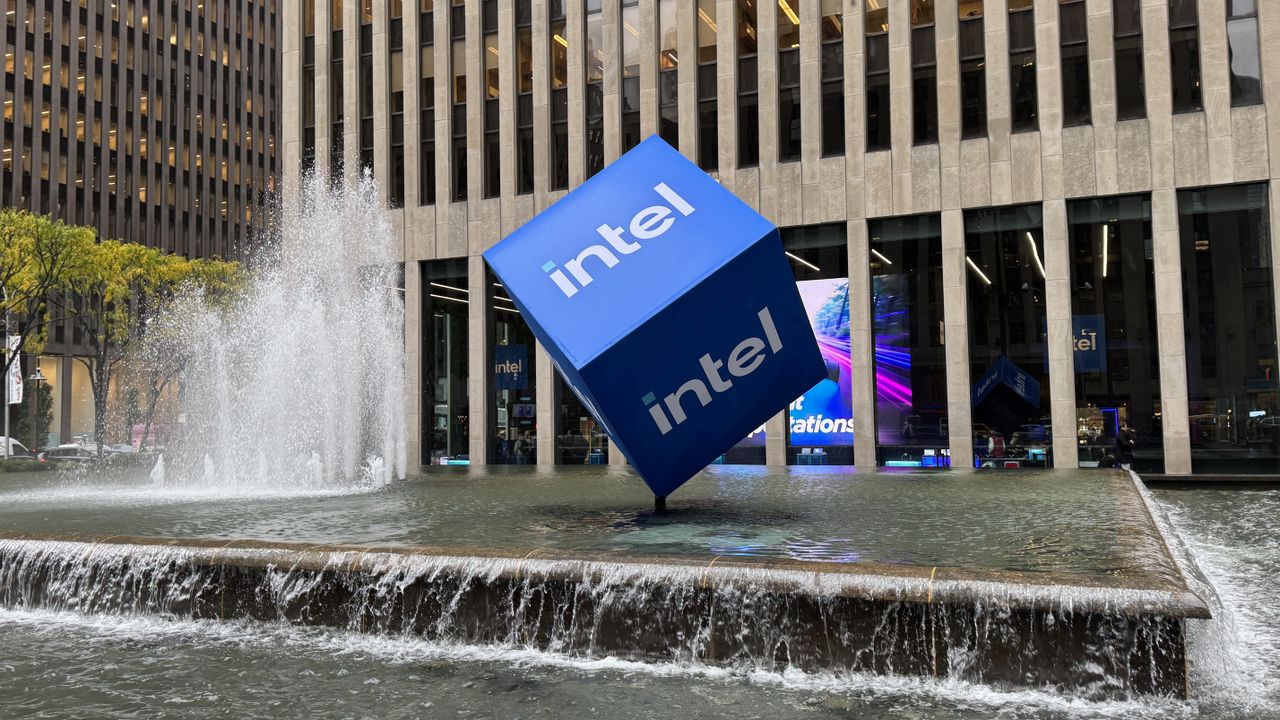
Here at NexaSpecs, we're always on the pulse of the semiconductor industry, and a recent whisper has sent ripples through the tech world: Intel potentially fabricating Apple's entry-level M-series chips. Analyst Ming-Chi Kuo’s recent post on X suggests Apple is preparing to qualify Intel’s cutting-edge 18A process, potentially ushering in a new era of collaboration from 2027. This isn't just a rumor; if true, it's a monumental shift that could redefine the competitive landscape and accelerate innovation for consumers.
Key Specifications: The Potential Partnership at a Glance
In-depth Analysis: A Foundry Revolution on the Horizon
The idea of Intel, once a direct competitor in the CPU space, manufacturing Apple's proprietary silicon is fascinating. This potential partnership isn't just a business deal; it’s a testament to Intel’s ambitious IDM 2.0 strategy, which aims to reclaim process leadership and establish Intel Foundry Services (IFS) as a formidable, world-class provider for external customers. By 2030, Intel aims to be the world's second-largest foundry, and securing a marquee client like Apple would be a monumental step towards that goal.
Decoding Intel's 18A Process
At the heart of this potential collaboration is Intel's 18A process node, an Angstrom-era technology that represents a significant leap forward in semiconductor manufacturing. This cutting-edge process features RibbonFET (Intel's implementation of Gate-All-Around, or GAA, transistors) and PowerVia (a revolutionary backside power delivery network). These innovations promise substantial improvements in power, performance, and area, with Intel claiming a 30% density gain and 25% faster generational performance, or a 36% power reduction. Intel expects 18A to be ready for high-volume manufacturing in late 2025, positioning it to compete directly with TSMC's 2nm offerings.
Apple's Strategic Play for Diversification
For Apple, this move is a clear strategic imperative: supply chain diversification. For years, Apple has relied almost exclusively on TSMC for its M-series and A-series chips. While TSMC remains an invaluable partner, having a second leading-edge foundry like Intel could significantly mitigate geopolitical risks, enhance supply chain resilience, and provide Apple with greater leverage in future negotiations. It's crucial to note that Intel would strictly serve as a manufacturing partner; Apple retains full control over the design of its ARM-based M-series chips. The initial focus on lower-end M-series chips, such as those found in the MacBook Air and entry-level iPads, makes sense as a lower-risk entry point for both companies.
Comparison: Intel 18A vs. TSMC's Dominance
TSMC has long been the undisputed leader in advanced semiconductor manufacturing, consistently delivering cutting-edge nodes for Apple and other tech giants. Their N3 (3nm) process has been in mass production since late 2022/early 2023, with enhanced versions like N3E and N3P following. Looking ahead, TSMC's N2 (2nm) process, which will also adopt GAAFET technology, is slated for mass production by 2025. Intel's 18A is designed to directly compete with TSMC's N2, aiming for process leadership. While Intel is playing catch-up, the sheer ambition and technological advancements in 18A, coupled with Apple's interest, signal a significant challenge to TSMC's long-held dominance. For Apple, having two world-class foundries pushing the boundaries of technology can only lead to more robust and innovative products in the long run.
Pros & Cons: Weighing the Future of Apple Silicon
- PROS:
- Diversified Supply Chain for Apple: Reduces reliance on a single vendor and mitigates geopolitical risks.
- Intel's Resurgence: A major win for Intel Foundry Services, validating its IDM 2.0 strategy and 18A process.
- Increased Competition: Pushes both Intel and TSMC to innovate faster, potentially benefiting the entire industry.
- Boost for US Manufacturing: Supports efforts to bring advanced chipmaking back to US soil.
- CONS:
- Execution Risk for Intel's 18A: Ramping up a bleeding-edge process for a high-volume, demanding customer like Apple carries inherent challenges.
- Potential for Delays: New partnerships and complex manufacturing transitions can face unforeseen hurdles.
- IP and Security Concerns: While Apple retains design control, sharing IP with a former rival requires robust trust and security protocols.
NexaSpecs' Final Take
This potential deal between Intel and Apple is nothing short of a seismic event in the semiconductor world. It signifies Intel's serious commitment to reclaiming its foundry leadership and Apple's pragmatic approach to ensuring a resilient and competitive supply chain for its future M-series chips. While challenges and execution risks are inevitable, the strategic benefits for both companies, and indeed the broader tech industry, are immense.
We at NexaSpecs will be watching this development closely. If successful, this partnership could foster an era of unprecedented innovation, potentially leading to more robust, efficient, and ultimately more accessible Apple products for consumers in the years to come. The future of silicon manufacturing just got a whole lot more interesting!
Interested in Apple's entry-level M-series chips?
Check Price on Amazon →NexaSpecs is an Amazon Associate and earns from qualifying purchases.
📝 Article Summary:
Intel is reportedly moving closer to building Apple's entry-level M-series chips on its 18A process starting in 2027, a claim made by analyst Ming-Chi Kuo. This potential partnership signifies a monumental shift for both tech giants, promising a diversified supply chain for Apple and a significant boost for Intel's foundry aspirations.
Keywords:
Words by Chenit Abdel Baset