

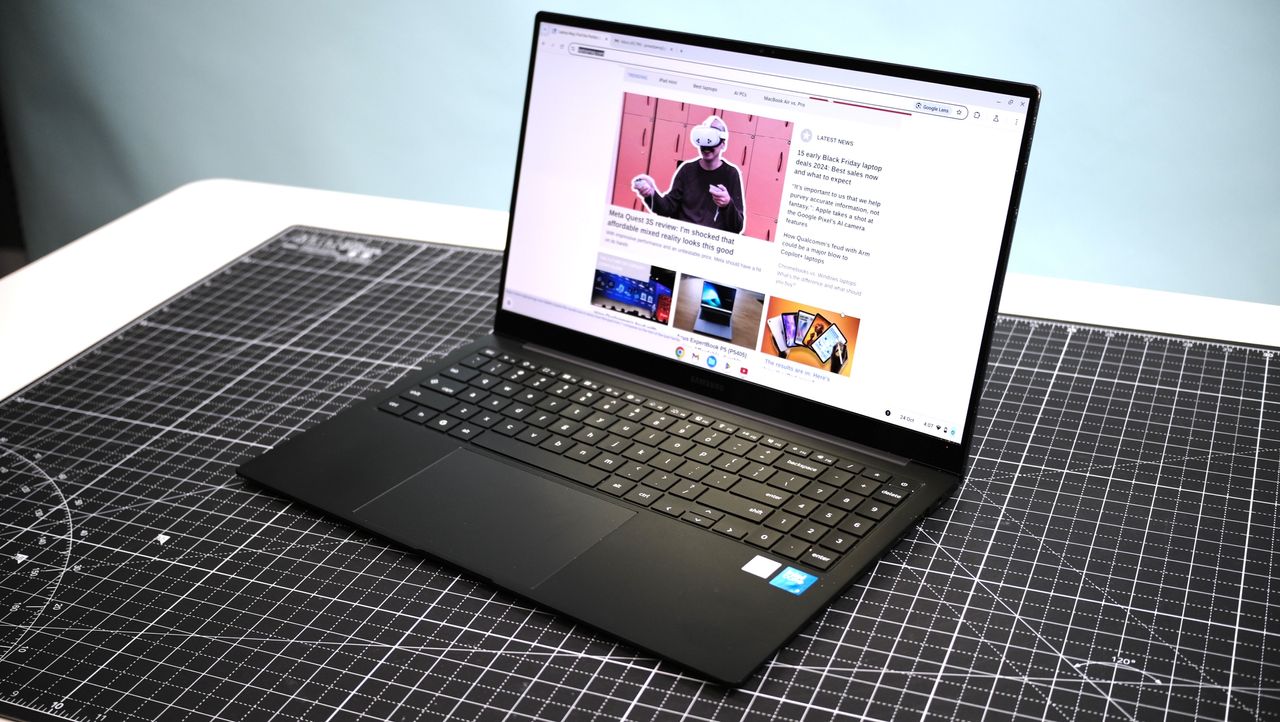
Chromebooks have solidified their position as versatile and efficient computing devices, catering to a broad spectrum of users from students to professionals. In 2025, these laptops continue to evolve, offering a compelling blend of performance, portability, and value, primarily driven by the lightweight and secure ChromeOS ecosystem. This review delves into the technical aspects and market positioning of the leading Chromebooks identified in 2025, highlighting their core functionalities and architectural advantages.
Technical Breakdown
The current generation of Chromebooks, as highlighted in the 2025 selections, emphasizes a refined balance between hardware efficiency and software optimization. While specific component details vary across models, the overarching design philosophy centers on delivering a seamless user experience within the ChromeOS environment.
- Specifications: Modern Chromebooks leverage a range of processors, from ARM-based solutions to Intel and AMD architectures, optimized for power efficiency and responsive performance in web-centric tasks. Memory configurations are typically streamlined, focusing on efficient multitasking within ChromeOS's resource management protocols. Storage solutions predominantly feature eMMC or NVMe SSDs, prioritizing fast boot times and quick application loading.
- Performance: For general productivity and media consumption, these devices offer robust performance. When considering gaming, particularly with cloud gaming services or Android applications, the performance is generally optimized for smooth frame rates, though specific FPS metrics are dependent on the application and network latency. The "Best for gaming" category suggests models with enhanced graphical capabilities or display technologies to support a more immersive experience.
- Build Quality: The build quality across the top Chromebooks of 2025 often prioritizes durability and portability. Designs range from robust, student-friendly chassis to premium, lightweight constructions, frequently incorporating materials that balance resilience with aesthetic appeal. Keyboards are a significant focus, with some models specifically recognized for their superior typing experience, indicating attention to tactile feedback and ergonomic design.
- Price-to-Performance Ratio: Chromebooks consistently offer a strong price-to-performance ratio, making advanced computing accessible. The value proposition is particularly evident in their long-term operational costs, reduced maintenance, and inherent security features, which minimize the need for extensive third-party software.
Core Functionality & Architecture
The architectural foundation of Chromebooks is ChromeOS, a Linux-based operating system developed by Google. This architecture is designed for speed, simplicity, and security, fundamentally differing from traditional operating systems like Windows or macOS.
- Cloud-Centric Operation: ChromeOS is inherently cloud-centric, with a strong reliance on web applications and cloud storage. This design minimizes local storage requirements and facilitates seamless synchronization across devices.
- Security Model: The operating system employs a multi-layered security architecture, including sandboxing, verified boot, and automatic updates. These features work in concert to protect against malware and unauthorized access, ensuring data integrity and user privacy.
- Application Ecosystem: Beyond web applications, Chromebooks support Android applications via the Google Play Store and can run Linux applications, significantly expanding their utility. This hybrid approach allows users to access a vast library of software, from productivity suites to entertainment and development tools.
- Firmware and Updates: ChromeOS benefits from regular, automatic firmware and software updates, ensuring that devices always run the latest, most secure, and feature-rich version of the operating system without user intervention.
Performance Analysis & Community Reception
The performance of Chromebooks in 2025 is largely characterized by their optimized interaction with the ChromeOS environment. The lightweight nature of the OS, coupled with efficient hardware, results in rapid boot times and fluid navigation through web-based applications.
- Optimization: ChromeOS is highly optimized for resource management, ensuring that even models with more modest specifications can deliver a responsive user experience. This optimization extends to battery life, with many Chromebooks offering extended usage on a single charge.
- Frame Rates: While not primarily designed as high-end gaming machines, the "Best for gaming" category indicates models capable of handling cloud gaming platforms and less demanding Android games with respectable frame rates. The focus here is on streaming efficiency and compatibility with various gaming services rather than raw graphical power for local AAA titles.
- Community Reception: The community's reception of Chromebooks in 2025 remains largely positive, particularly for specific use cases.
- Students and Kids: Chromebooks are highly regarded for educational environments due to their ease of use, robust security, and affordability. The "Best for students" and "Best for kids" categories underscore their suitability for learning and general content consumption.
- General Users: For users primarily engaged in web browsing, email, document editing, and media streaming, Chromebooks offer a compelling, hassle-free alternative to more complex operating systems.
- Gaming Enthusiasts: The emergence of "Best for gaming" Chromebooks signifies a growing interest in leveraging these devices for cloud gaming, appealing to a segment of the gaming community looking for accessible and portable gaming solutions.
| Metric/Feature (Key) | Value/Description (Value) |
|---|---|
| Overall Performance | Optimized for web-centric tasks and cloud applications. |
| Operating System | ChromeOS (Linux-based, cloud-centric, secure). |
| Application Support | Web apps, Android apps (Google Play Store), Linux apps. |
| Security Features | Sandboxing, verified boot, automatic updates. |
| Target User Segments | Students, kids, general users, cloud gaming enthusiasts. |
| Key Strengths | Portability, battery life, ease of use, value. |
| Gaming Capability | Suitable for cloud gaming and Android titles; specific models optimized for gaming experience. |
Expert Verdict
The Chromebook landscape in 2025 demonstrates a mature and diversified product category. These devices continue to excel in their core mission of providing secure, fast, and user-friendly computing experiences, particularly for tasks that leverage cloud services. The emphasis on specific use cases, such as "Best for students" and "Best for gaming," indicates a strategic evolution to meet varied consumer demands. While not designed to replace high-performance workstations or dedicated gaming rigs for demanding local titles, the top Chromebooks of 2025 offer an undeniable value proposition, making them an excellent choice for a significant portion of the computing public. Their robust security architecture and seamless integration with the Google ecosystem further cement their position as highly practical and efficient portable computing solutions.