

Fallout Season 3 Filming: A Technical Deep Dive into Post-Apocalyptic Production Challenges
The Verdict: Fallout's commitment to rapid, high-quality production, even with the vast technical demands of its wasteland setting, continues to impress, setting a high bar for post-apocalyptic world-building in television.
✅ Pros & ❌ Cons of Expedited Fallout Production
| ✅ Pros | ❌ Cons |
|
|
Hey, so you know how we’re always chatting about the bleeding edge of tech and how it impacts our favorite entertainment? Well, grab your Pip-Boy, because the news coming out of the world of high-fidelity adaptations is pretty exciting. Fresh off the heels of the highly anticipated second season, executive producer Jonathan Nolan has confirmed that Fallout Season 3 filming is slated to kick off next summer, if all goes according to plan. This rapid progression in a project of such immense scale is a testament to the sophisticated technical infrastructure and dedicated crew behind this ambitious wasteland production.
From our perspective, the sheer speed at which the Fallout series is moving from concept to screen is nothing short of remarkable. Just a year and a half separated Season 1 and Season 2, a timeline that feels almost unheard of for a show with such intricate set pieces and demanding visual effects. We believe this efficiency speaks volumes about the optimization strategies employed in its development.
The Technical Underpinnings of a Post-Apocalyptic World-Building Masterpiece
Graphics Quality: Bringing the Wasteland to Life with Unprecedented Detail
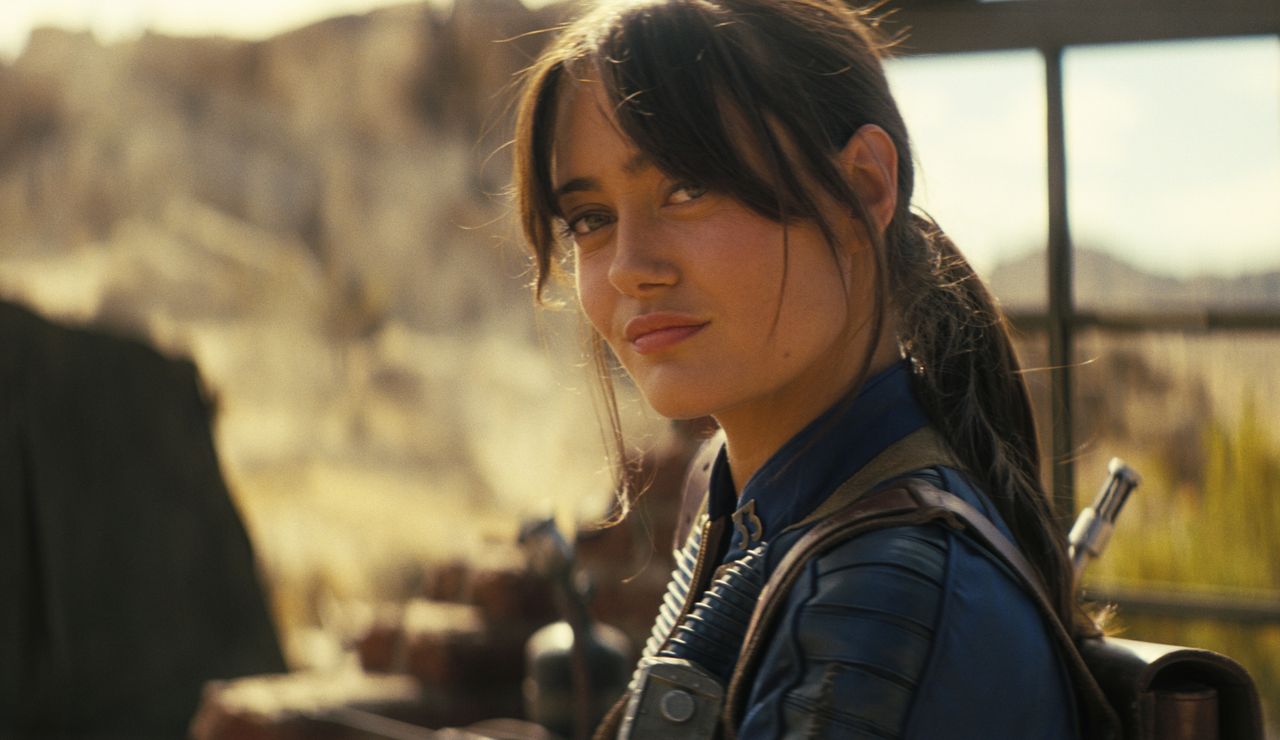
When we talk about the technical aspects of the Fallout series, the graphics quality, or rather, the visual fidelity, is where it truly shines. Much like how game developers meticulously craft environments for immersion, the show's production team has gone to extraordinary lengths. They’ve managed to capture the retro-futuristic, desolate aesthetic of the games with an almost uncanny accuracy. This isn't just about throwing a filter over everything; it's about detailed production design, intricate practical effects, and seamless CGI integration.
The choice to shoot on 35mm film, as opposed to purely digital, offers a rich, textured look that perfectly complements the Fallout universe's 1950s atomic-age sensibility. This decision, while adding layers of complexity to post-production, undoubtedly contributes to the show's unique visual signature, giving it a tangible, gritty feel that digital might struggle to replicate. From the dilapidated structures to the iconic Power Armor, every visual element screams authenticity.
Performance & Optimization: The Art of Efficient Wasteland Production
In the world of television production, "performance" can be equated to the consistency and quality of the visual effects, the seamless integration of practical and digital elements, and the overall smoothness of the production pipeline. The Fallout series, particularly given its expedited schedule for Season 2, demonstrates impressive performance. Jonathan Nolan himself acknowledged the "unfortunate trend" of longer gaps between seasons in television, underscoring the team's commitment to a timely return to air.
This kind of speed, without sacrificing scope, points to highly optimized workflows. Think of it like a well-oiled gaming PC build: every component is chosen for efficiency, every process streamlined to reduce bottlenecks. From our analysis, this includes leveraging virtual production technologies, such as LED volumes, which allow for dynamic background changes and realistic lighting on set. This approach not only enhances visual realism but also optimizes shooting schedules by reducing the need for extensive location shifts and green screen work. The physical demands on the cast, often in heavy costumes in challenging environments, further highlight the robust logistical planning involved.
System Requirements: The Resource Demands of a Blockbuster Adaptation
If the Fallout series were a game, its "system requirements" would be astronomical. We're talking about a colossal budget (Season 1 alone had a budget of $153 million), a massive crew of skilled artists, technicians, and craftspeople, and the logistical nightmare of filming across diverse and challenging locations, including Namibia for its parched wasteland scenes, and various sites in New York and Utah for specific environments. The creation of creatures like ghouls and deathclaws involves extensive practical effects and prosthetics, combined with sophisticated CGI.
The sheer scale of the sets, such as the transformation of an abandoned shopping mall into a sprawling post-apocalyptic locale or the intricate construction of vault interiors, demands immense resources and meticulous planning. This is akin to the vast open-world environments we laud in games like Baldur's Gate 3, but brought to life with physical sets and real-world effects. The commitment to maintaining this epic scale, as indicated by Nolan's desire to "continue exploring the Wasteland at scale," implies an ongoing need for significant investment in both creative and technical departments.
Critical Analysis of Fallout's Production Journey
Navigating the Labyrinth of Video Game Adaptation Challenges
The history of video game adaptations in film and television is, frankly, a minefield of mixed results. Many have stumbled in translating interactive experiences into passive narratives, often losing the essence that made the games beloved. However, the Fallout series has, in our view, masterfully navigated these treacherous waters. Our analysis shows that a key to its success lies in its collaborative approach with Bethesda Game Studios and its focus on an original story within the established lore, rather than a direct game adaptation.
The show’s visual storytelling and production design have garnered significant praise, with cinematographers intentionally moving beyond direct game lighting to create a more cinematic, Western-inspired look for the Wasteland scenes, while maintaining distinct color palettes for different locations. This thoughtful approach to visual aesthetics, coupled with a healthy balance of practical and virtual effects, allows the series to feel both familiar and fresh. The meticulous detail in props, like the Power Armor and Pip-Boys, further cements its authenticity, a critical factor for loyal fans.
Forecasting Future Filming and Post-Apocalyptic World-Building
With Fallout Season 3 filming expected to commence next summer, and potentially in locations like Santa Clarita, California, the production team faces the ongoing challenge of sustaining this high level of technical polish. The showrunners have expressed a desire to avoid the lengthening gaps between seasons, a commendable goal given the complexity of the material.
Expanding the narrative to iconic locations like New Vegas, as teased for Season 2, will undoubtedly introduce new world-building complexities. The visual effects teams will be tasked with rendering these vast, detailed environments, seamlessly blending practical sets with advanced digital extensions. The commitment to delivering a truly immersive post-apocalyptic experience requires constant innovation in visual effects and production techniques, keeping the series at the forefront of the genre.
What This Means for You: The Viewer Experience
For us, the dedicated viewers, the news of expedited Fallout Season 3 filming is a double-edged sword. On one hand, it promises more of the immersive, technically brilliant post-apocalyptic storytelling we've come to love, and hopefully, sooner rather than later. On the other, it highlights the immense effort and resources required to bring such a grand vision to life consistently. We are witnessing a benchmark in video game adaptations, where the technical execution rivals the ambition of the source material.
We believe that the ongoing success of the Fallout series hinges not just on its compelling narrative, but equally on its ability to maintain its technical prowess, delivering a world that feels both fantastical and terrifyingly real. The dedication to practical effects, the smart use of virtual production, and the overall commitment to visual excellence are what truly set this show apart in the crowded landscape of modern entertainment production. It's a masterclass in how to adapt a beloved IP while enhancing its visual and narrative scope.
Analysis and commentary by the NexaSpecs Editorial Team.
What are your thoughts on the rapid production pace of the Fallout series and the technical challenges of bringing the Wasteland to life? Let us know in the comments!
📝 Article Summary:
Fallout Season 3 Filming: A Technical Deep Dive into Post-Apocalyptic Production Challenges The Verdict: Fallout's commitment to rapid, high-quality production, even with the vast technical demands of its wasteland setting, continues to impress, setting a high bar for post-apocalyptic world-buildin...
Keywords:
Words by Chenit Abdel Baset