

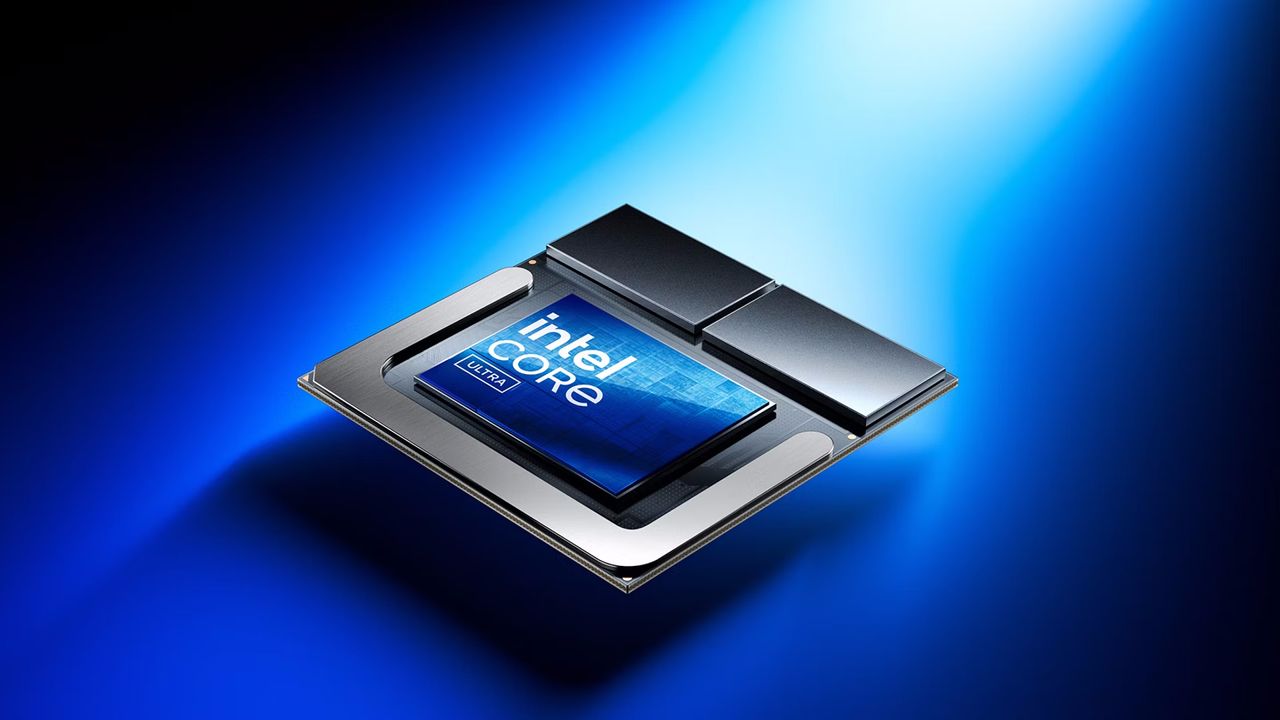
Intel Core Ultra 200-series: Navigating Unprecedented Demand and Wafer Constraints
- Intel is experiencing significant demand for its upcoming Core Ultra 200-series processors, specifically 'Lunar Lake' and 'Arrow Lake', leading to a reported shortage of wafers from TSMC.
- The high demand underscores market anticipation for Intel's next-generation architectures and their integrated AI capabilities, particularly the Neural Processing Units (NPUs).
- This supply constraint poses challenges for Intel's market penetration and could impact the immediate availability of new PCs featuring these advanced chips.
✅ Pros & ❌ Cons
| ✅ Pros | ❌ Cons |
|
|
The semiconductor industry operates on a razor's edge, balancing intricate technological advancements with the complexities of global supply chains. Our analysis confirms that Intel is currently grappling with this delicate equilibrium, as evidenced by reports from Tom's Hardware detailing a significant demand exceeding supply for its forthcoming Core Ultra 200-series processors. Specifically, the company has indicated a need for more 'Lunar Lake' and 'Arrow Lake' wafers from TSMC, highlighting a critical junction in its strategic roadmap.
This situation is not merely a logistical hiccup; it signals a robust market appetite for Intel's next-generation computing platforms. From our perspective, the demand for these chips, particularly Lunar Lake, suggests that Intel's architectural shifts and focus on integrated AI capabilities are resonating strongly with both original equipment manufacturers (OEMs) and end-users alike.
Critical Analysis: Intel Core Ultra 200-series Architectural Shifts and Supply Dynamics
Lunar Lake Architecture and TSMC N3B
Lunar Lake, positioned as Intel's offering for ultra-low-power mobile platforms, represents a paradigm shift in the company's design philosophy. We believe it leverages a highly disaggregated, tile-based architecture, a strategy that allows Intel to mix and match different manufacturing processes for optimal performance and efficiency. A crucial component of Lunar Lake's design is its reliance on TSMC's advanced N3B process node for its compute tiles. This decision underscores the cutting-edge nature of Lunar Lake and Intel's pragmatic approach to utilize external foundries for leading-edge silicon when internal capacity or process maturity is not yet optimal.
The N3B process is a testament to TSMC's foundry leadership, offering superior transistor density and power efficiency crucial for mobile applications. Lunar Lake is expected to feature a significantly enhanced Neural Processing Unit (NPU), potentially delivering over 100 TOPS (Tera Operations Per Second) of AI compute power. This robust NPU is critical for driving the burgeoning on-device AI experiences, ranging from advanced photo editing to real-time language processing, without heavily taxing the CPU or GPU. Our expectation is that this substantial AI performance is a primary driver for the high demand.
The reported wafer shortage for Lunar Lake directly stems from the intense competition for TSMC's N3B capacity. Major players, including Apple for its M-series chips, are also vying for access to these leading-edge nodes. As we previously discussed in our analysis, "Intel 18A & Apple M-Series: NexaSpecs Analyzes a Potential Game-Changing Foundry Deal," the foundry landscape is increasingly competitive, with demand for advanced nodes outstripping supply. This scarcity naturally creates a bottleneck for Intel's production ambitions.
Arrow Lake Details and Foundry Strategy
In parallel to Lunar Lake, Intel's 'Arrow Lake' series is poised to target mainstream desktop and high-performance mobile segments. Arrow Lake is also designed around a disaggregated architecture, but with a different manufacturing strategy. We anticipate Arrow Lake to be the first consumer CPU to leverage Intel's internal Intel 20A and potentially 18A process nodes for its compute tiles, marking a significant milestone for Intel Foundry Services.
However, Arrow Lake's SoC and graphics tiles are expected to be produced by TSMC, likely on their N3 or N5 nodes. This hybrid approach showcases Intel's flexibility and its 'IDM 2.0' strategy, where it acts as both a chip designer and a foundry. The reported demand for 'Core Ultra 200-series wafers' from TSMC implicitly includes components for Arrow Lake, indicating that even with Intel's own advanced nodes coming online, external foundry support remains crucial for specific elements of its high-volume product stack.
Key specifications for Arrow Lake are expected to include a new generation of P-cores and E-cores, along with an integrated Arc-class GPU. While the exact NPU TOPS for Arrow Lake are yet to be officially confirmed, we expect it to be highly competitive, aligning with Intel's broader strategy to infuse AI acceleration across its product portfolio. The architectural innovations in Arrow Lake aim to deliver substantial IPC (Instructions Per Cycle) improvements and enhanced multi-threaded performance over its predecessors, making it a compelling upgrade for many users.
The Bigger Picture: Market Implications and Intel's Path Forward
This admission of wafer shortages for the Core Ultra 200-series provides critical insight into the current state of the high-performance computing market. It signifies not only strong internal validation of Intel's upcoming products but also the enduring reality of semiconductor manufacturing constraints. From our perspective, Intel's reliance on TSMC for critical components of both Lunar Lake and Arrow Lake highlights the ongoing challenges of ramping up cutting-edge process technology internally while simultaneously meeting aggressive product launch schedules.
The implications for the broader market are significant. Should these supply constraints persist, we could see a delayed or staggered rollout of new laptops and desktops featuring these chips. This could inadvertently provide a window of opportunity for competitors like AMD to gain ground, especially with their own Ryzen AI-enabled processors. Consumers, eager for the next wave of AI-accelerated PCs, might face higher prices or limited selection in the immediate term.
Ultimately, this situation underscores the strategic importance of foundry capacity and technological leadership. Intel's IDM 2.0 strategy is designed to mitigate such dependencies in the long run by significantly expanding its internal foundry capabilities, including the 18A process. However, the present moment clearly illustrates the transitional challenges involved in this ambitious transformation.
The Verdict: The strong demand for Intel's Core Ultra 200-series, as evidenced by the TSMC wafer shortage, is a clear indicator of the market's anticipation for next-generation AI-infused processors. While this validates Intel's architectural direction with Lunar Lake and Arrow Lake, the supply constraints present a significant hurdle for immediate market penetration and could impact consumer access and pricing. Intel's long-term success hinges on its ability to effectively scale its internal foundry operations while strategically managing external partnerships to meet overwhelming demand for its innovative silicon.
Frequently Asked Questions
Analysis and commentary by the NexaSpecs Editorial Team.
What are your thoughts on Intel's Core Ultra 200-series strategy and the implications of these supply challenges for the future of AI PCs? Share your insights in the comments below!
Interested in Intel Core Ultra 200-series?
Check Price on Amazon →NexaSpecs is an Amazon Associate and earns from qualifying purchases.
📝 Article Summary:
Intel is facing significant demand exceeding supply for its upcoming Core Ultra 200-series 'Lunar Lake' and 'Arrow Lake' processors, necessitating more wafers from TSMC. This high anticipation underscores the market's eagerness for Intel's next-gen AI-accelerated computing platforms, but also highlights critical supply chain challenges.
Keywords:
Words by Chenit Abdel Baset